
2026 Speakers (draft 1)
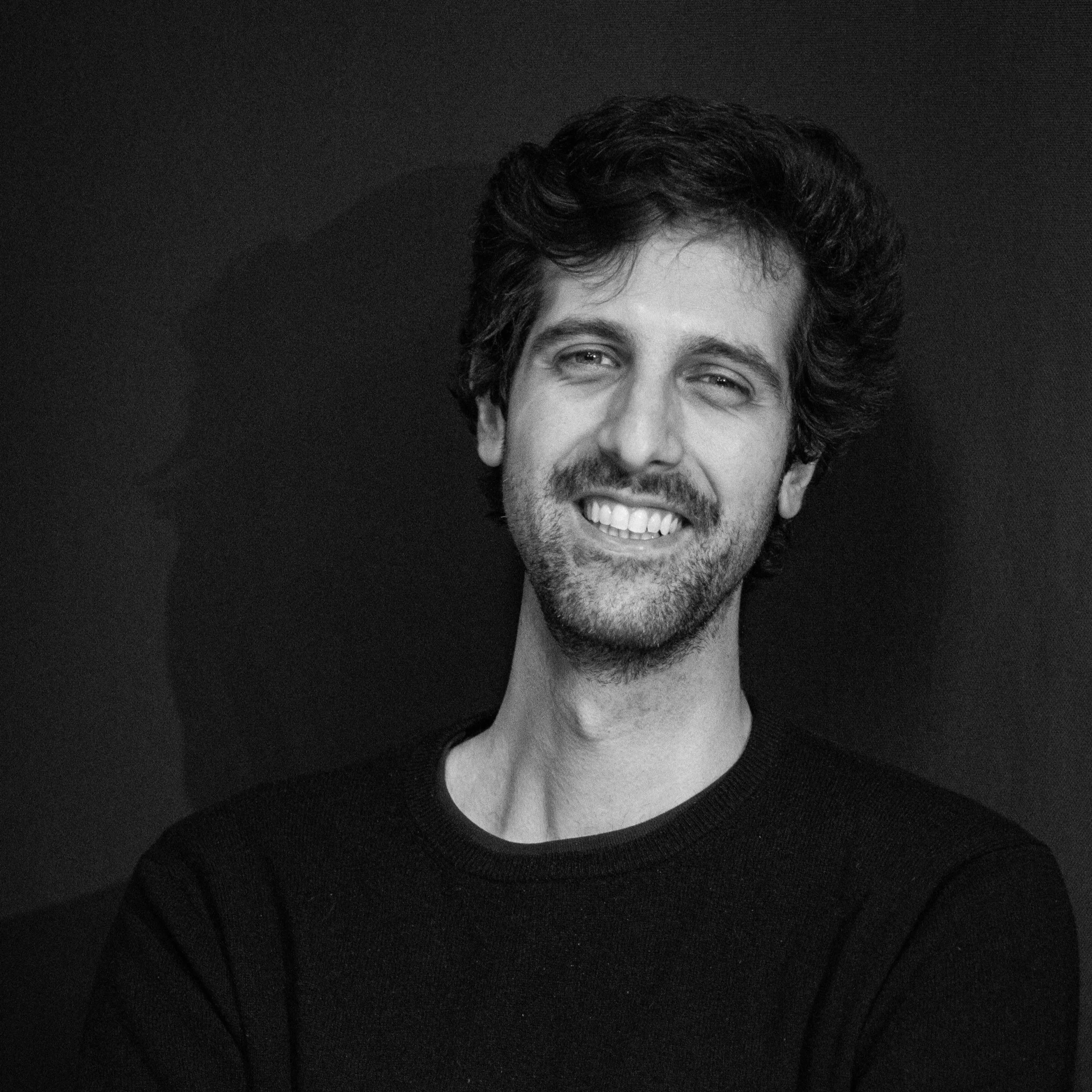
Rafael Batista is a postdoctoral research fellow at Johns Hopkins Carey Business School. His research examines how AI shapes the way people think about and experience the world, influencing the beliefs they form and the decisions they make. He also studies financial decision-making, particularly the psychology behind how people spend, save, and borrow.
Rafael was previously a Postdoctoral Research Associate at Princeton University's Kahneman-Treisman Center for Behavioral Science & Public Policy. Before his PhD, he co-founded the Behavioral Science Team at Commonwealth Bank of Australia and conducted field experiments across East Africa with the Busara Center for Behavioral Economics. He continues to work with organizations and is currently consulting for UNICEF on behavioral data science. Additional information about his research can be found on rafaelmbatista.com.
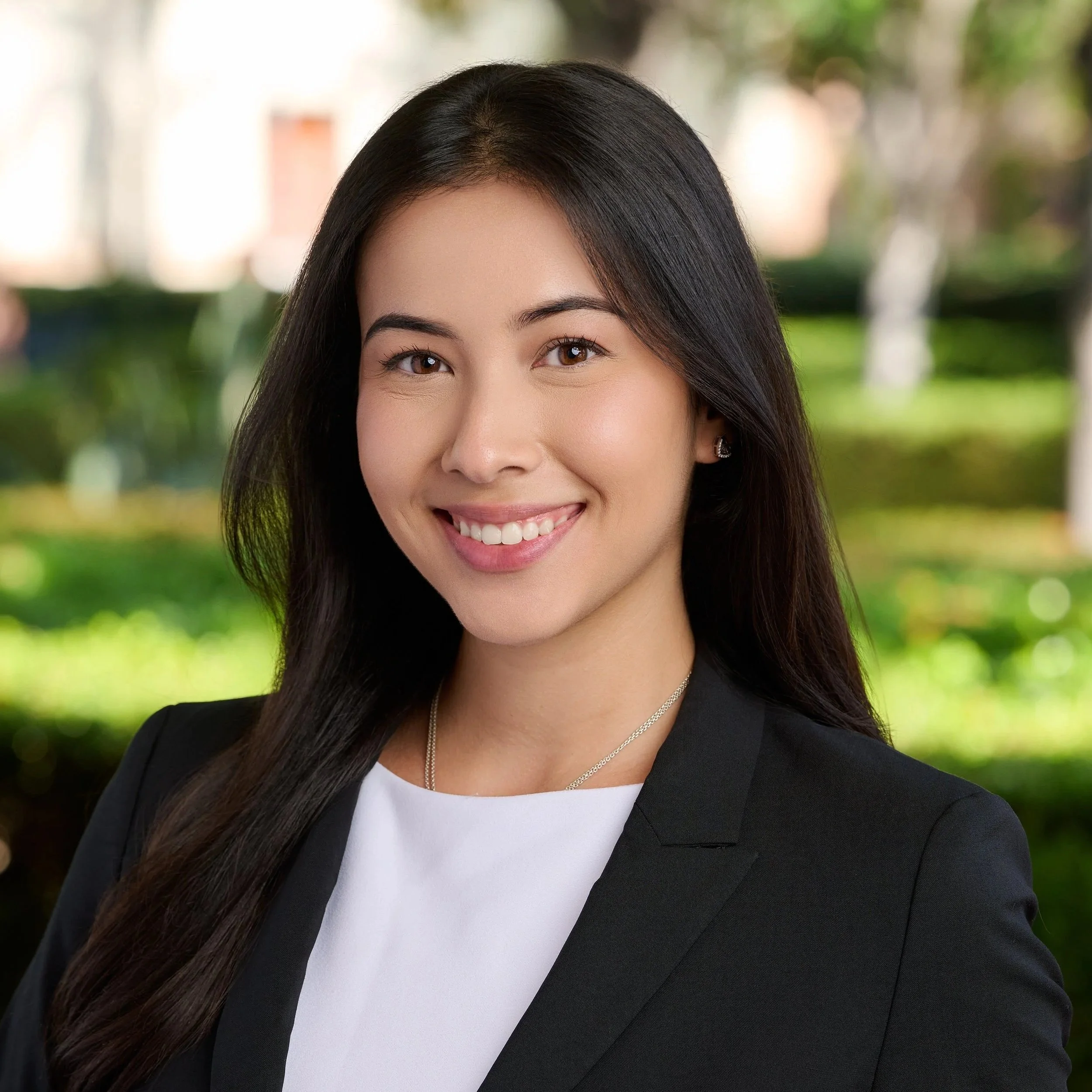
Jeslyn Brouwers is a PhD student in Management and Organization at the USC Marshall School of Business.
Read More
Camille is the Senior Director of Strategy and Impact at Center for Humane Technology, where
she shapes organizational strategy to ensure technology is designed and developed in the
public interest. Recognized as one of Business Insider's AI 100 in 2023, Camille works at the
cutting edge of the biggest debates in tech and society. Camille has been featured in
Bloomberg, NBC News, and The New York Times, and her work has been published in Science
and Tech Policy Press.
Read More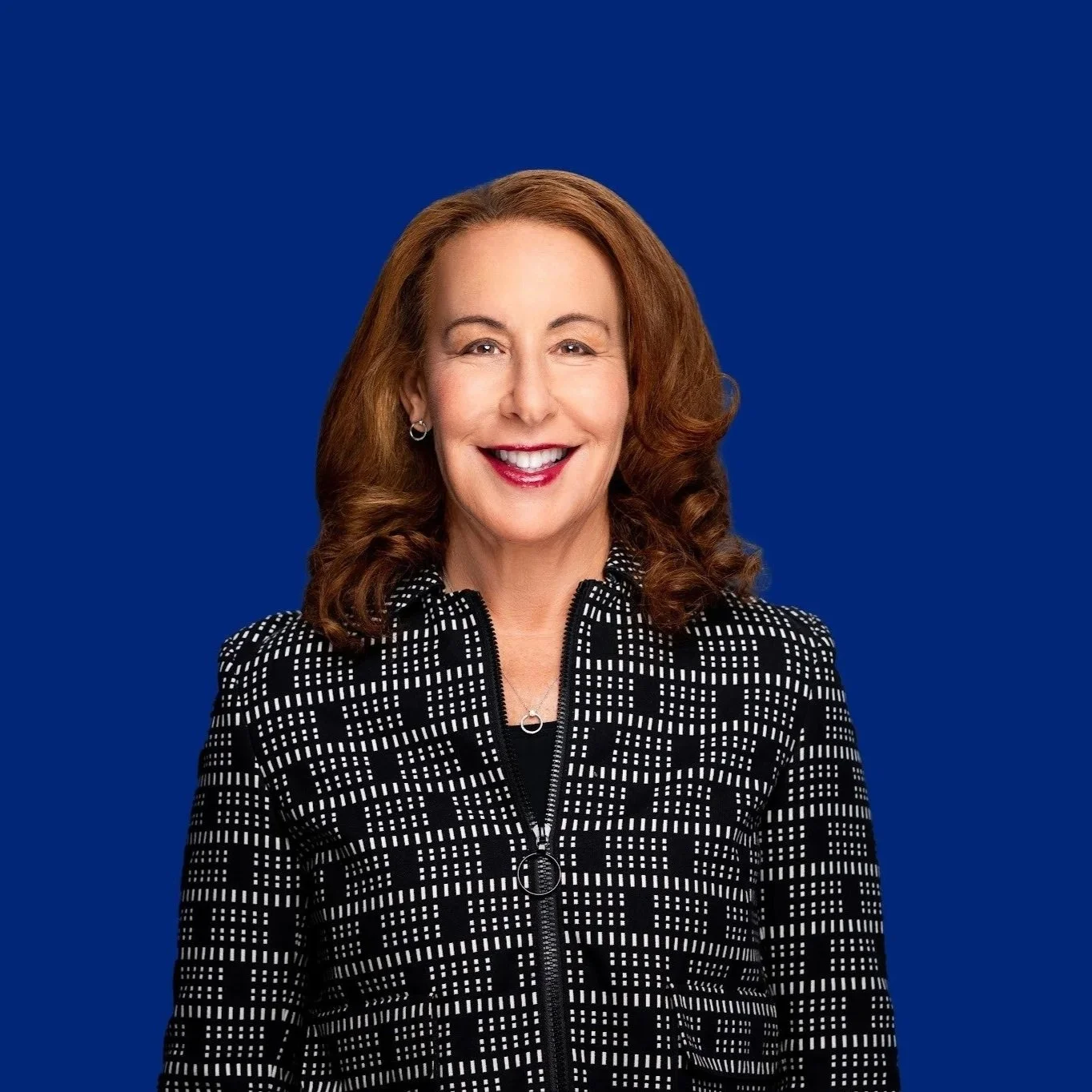
Jenny Chatman is the Bank of America Dean of the Haas School of Business. Prior to becoming dean, she held the Paul J. Cortese Distinguished Professorship in the Management of Organizations Group.
In her research, teaching, and consulting work, she focuses on how organizations can leverage culture for strategic success and how diverse teams can optimize performance. Her award-winning research has shown, for example, how emphasizing innovation in the context of a strong culture increases firms’ financial success, how narcissistic leaders create organizational cultures lower in collaboration and integrity, and how norms to cooperate can cause members to blur differences among them, even if those differences are useful for group performance—suggesting that collaboration should be calibrated in diverse teams. In 2023, Chatman received the lifetime achievement award from the Academy of Management Organizational Behavior Division for her pioneering work that has changed the field.
Chatman is the Co-founder of the Berkeley Center for Workplace Culture and Innovation. She runs the Leading Strategy Execution Through Culture executive education program and co-hosts the podcast The Culture Kit with Jenny & Sameer with Sameer Srivastava. She has served in many leadership roles at Haas and UC Berkeley over the years, including Associate Dean of Academic Affairs, Acting Dean, and Interim Dean from August 2024 to July 2025. Chatman earned her PhD at UC Berkeley Haas, and her BA in psychology from UC Berkeley.
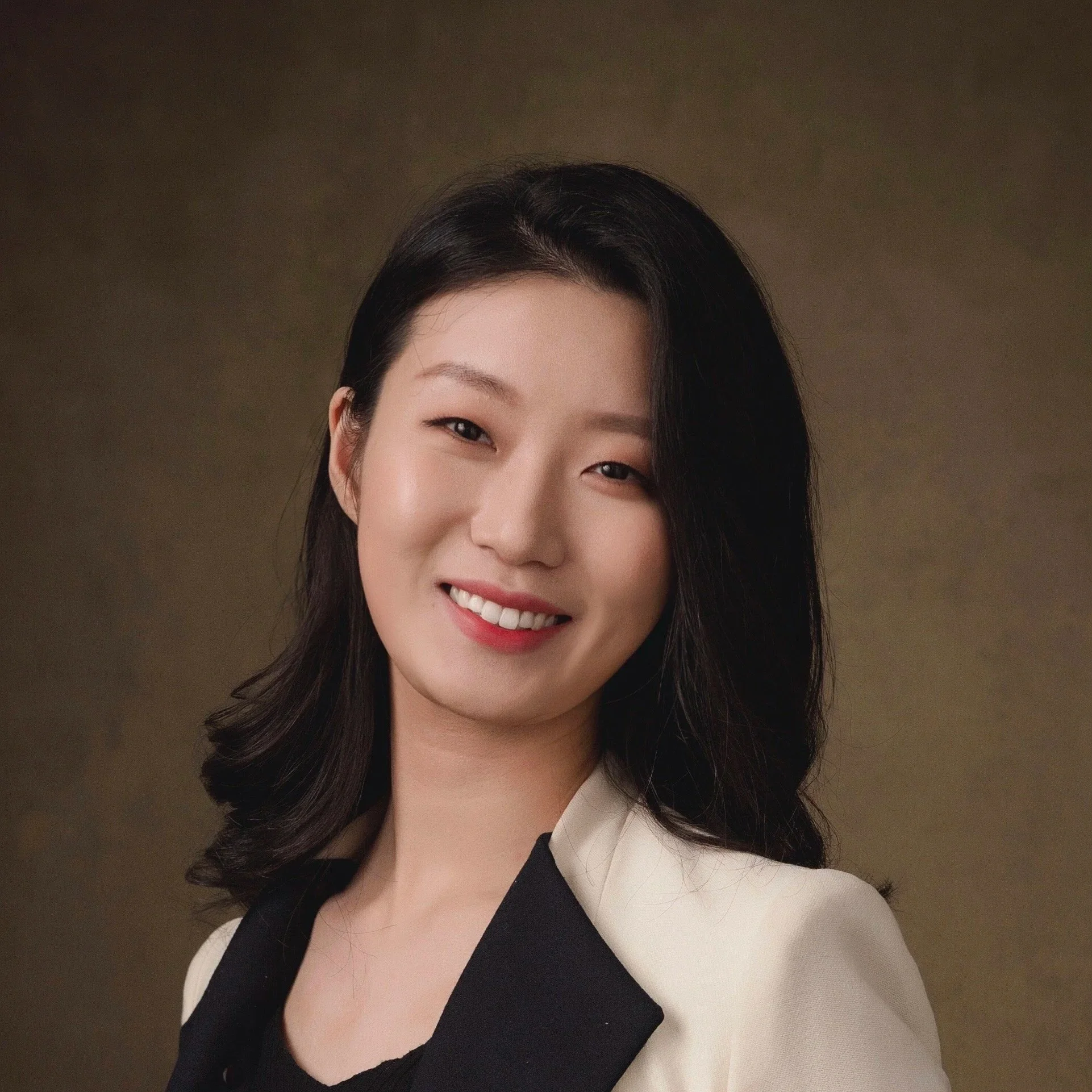
Vivienne Chi is a Postdoctoral Researcher in Computer and Information Science at the University of Pennsylvania. She studies how people's relationships with AI develop over time: how people learn to trust AI, how it shapes their choices and sense of agency, and what those interactions mean for well-being. Combining cognitive science with computational methods, her work aims to inform the design of AI systems that support people’s longer-term interests.
Read More
Lila DiMasi is a research coordinator working with Angela Duckworth and the Behavior Change for Good Initiative at the University of Pennsylvania. She received her B.A. in Psychology from Penn. She is interested in social connection and how technology use affects how we engage with the people around us.
Read More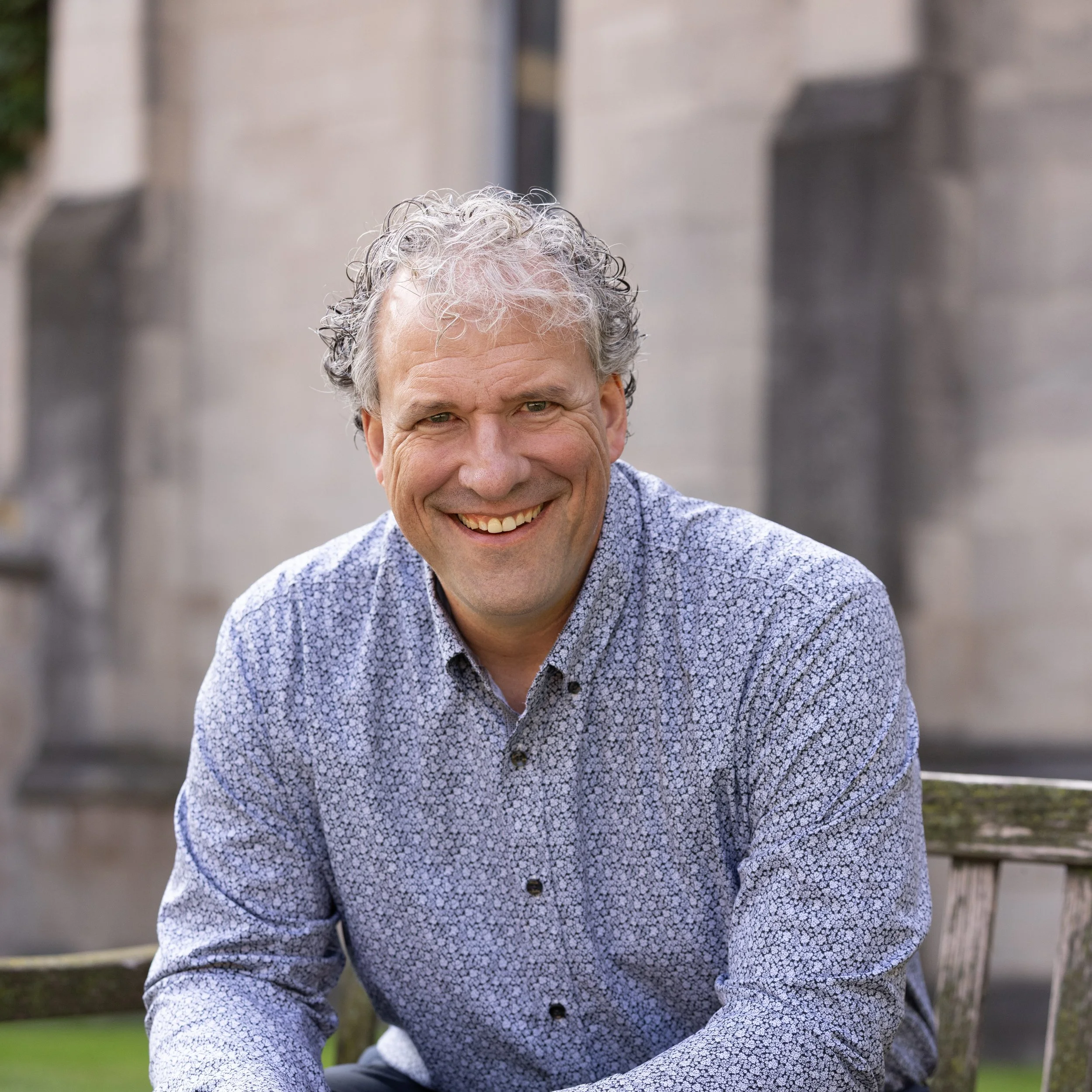
Nicholas Epley is the John Templeton Keller Distinguished Service Professor of Behavioral Science, and Director of the Roman Family Center for Decision Research, at the University of Chicago Booth School of Business. He studies social cognition—how thinking people think about other thinking people—to understand why smart people so routinely misunderstand each other. He has been awarded the 2008 Theoretical Innovation Award from the Society for Personality and Social Psychology, the 2011 Distinguished Scientific Award for Early Career Contribution to Psychology from the American Psychological Association, the 2015 Book Prize for the Promotion of Social and Personality Science, and the 2018 Career Trajectory Award from the Society for Experimental Social Psychology. He is the author of Mindwise: How We Understand What Others Think, Believe, Feel, and Want (2014), and A Little More Social: How Small Choices Create Unexpected Happiness, Health, and Connection (2026).
Read More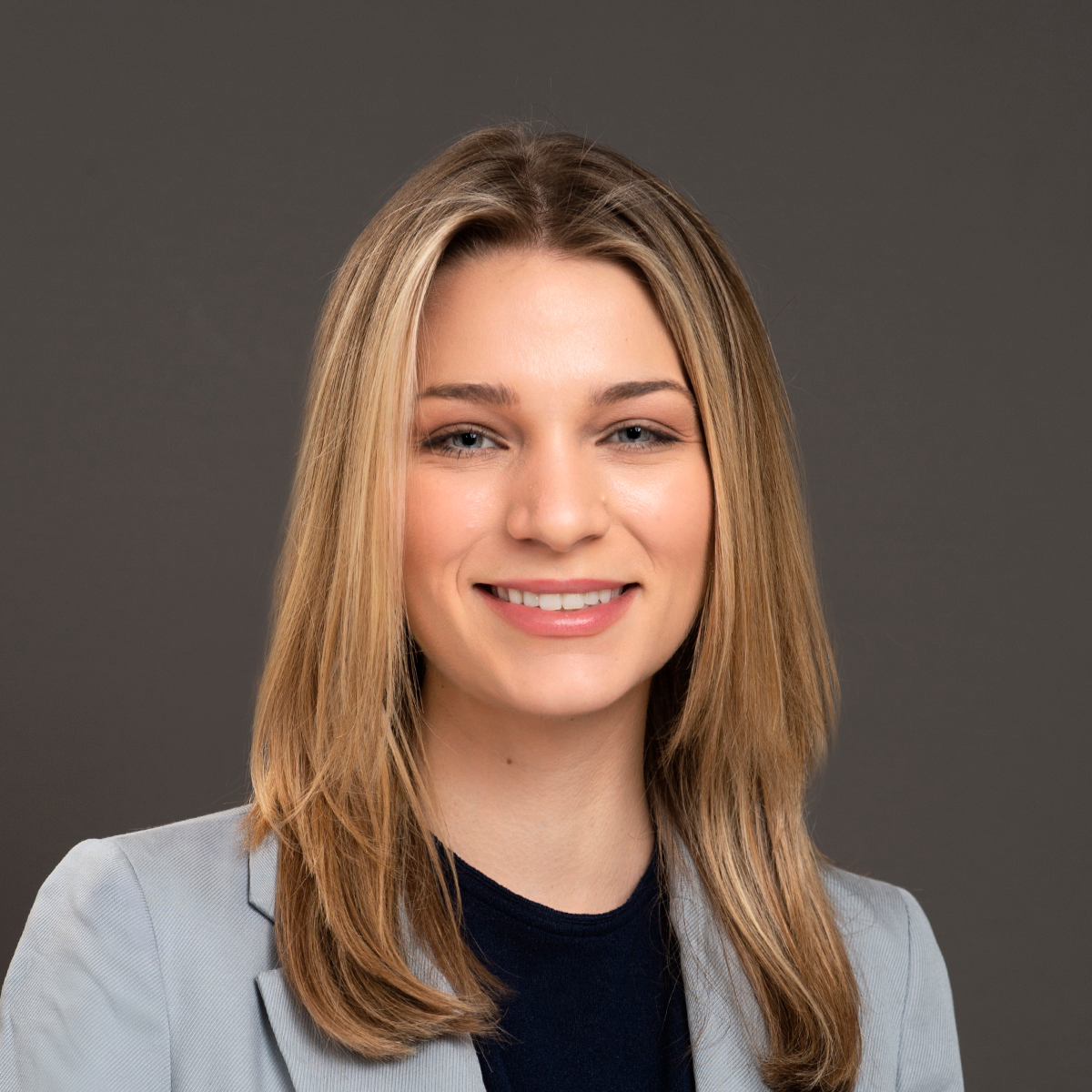
Grace Falgoust (she/her) is a doctoral candidate in Social Psychology and a
master's candidate in Public Policy at Georgetown University, where she is advised by Dr.
Kostadin Kushlev in the Happy Tech Lab. Her research examines how technology shapes
wellbeing and translates that science into actionable policy recommendations for schools,
governments, and workplaces—drawing on both quantitative and qualitative methods to do so.
Currently, she co-leads a research project investigating the real-world impacts of social media
regulation on youth wellbeing. Before graduate school, she spent two years at the RAND
Corporation contributing to peer-reviewed publications and research reports across defense,
public health, and education policy. Outside of the lab, you can find her on DC's biking trails or
watercoloring cards.
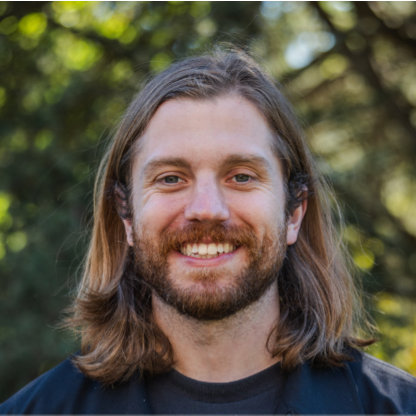
Dunigan is a Postdoctoral Fellow at the University of Pennsylvania who studies the role of social connection in living a happy life, and what happens to our sense of connection when we turn to AI for companionship.
Read More
Evan Gold is an undergraduate at the University of California, Berkeley, pursuing a B.A. degree in Integrative Biology (Class of 2027). He is a co-lead teaching and research assistant for CogSci 175, Mind, Machine, and Meaning. Additionally he has taught the student-led course Info 98: Becoming Tech Intentional. His research interest is how young people can learn to have healthier relationships with technology and he hopes to pursue graduate study in the area. He is also an oarsman for the Cal men's rowing team.
Read More
Ken Goldberg is William S. Floyd Distinguished Professor of Engineering at UC Berkeley and an award-winning roboticist, filmmaker, artist and popular public speaker on AI and robotics. At UC Berkeley, Ken trains the next generation of researchers and entrepreneurs. He has published over 450 papers, 3 books, and holds 10 US Patents. Ken’s artwork has been featured in 70 art exhibits including the Whitney Biennial. He is a pioneer in technology and artistic visual expression, bridging the “two cultures” of art and science. With unique skills in communication and creative problem solving, invention, and thinking on the edge, Ken has presented over 600 invited lectures at events around the world.
Read More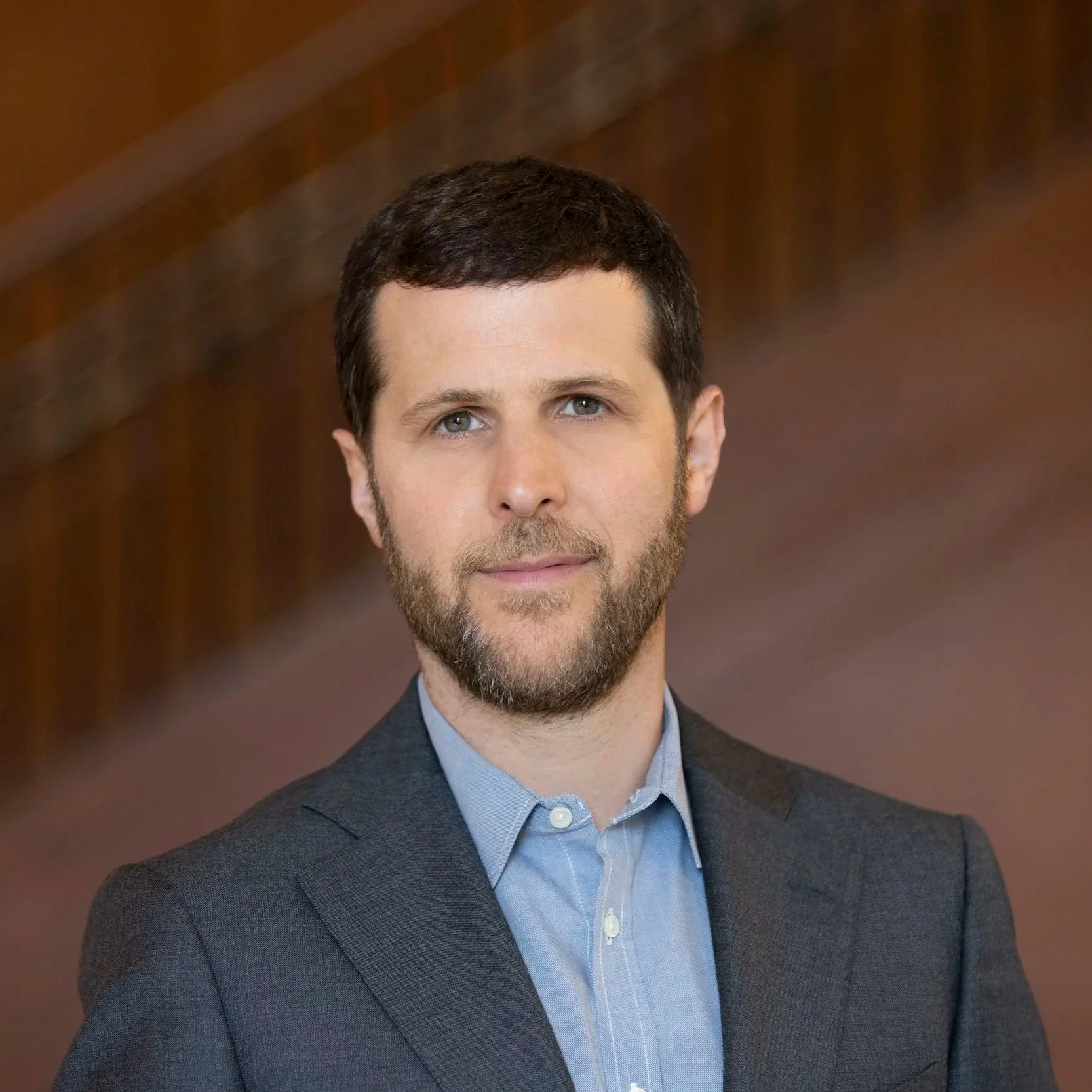
I am an associate professor at Harvard Business School, an affiliate with Harvard’s Department of Psychology, and a member of the HBS AI Institute. My research bridges two interconnected areas focused on enhancing flourishing within groups and communities, reducing unhelpful emotions, and improving well-being. One line of my work examines group behavior, with specific attention to emotions and affective processes in social contexts. Through this work, I study how dynamics such as contagion and network structure shape group functioning. Building on the need to find scalable solutions for changing emotions, a second focus explores technology, particularly AI-driven systems, and their role in eliciting emotions and providing emotional support. As AI tools are increasingly adopted to address the growing well-being crisis, they offer a promising large-scale solution for enhancing emotional health while also posing challenges for human social relations. To address these questions, I combine behavioral experiments with computational modeling, applying lab-based insights to real-world contexts.
Read More
Jodi Halpern, MD, PhD holds a University Chair and is Professor of Bioethics and Medical Humanities at the School of Public Health at UC Berkeley. Her work brings together psychiatry, philosophy, affective forecasting and decision neuroscience to elucidate how people imagine and influence their own and each other’s future health possibilities. Her book, From Detached Concern to Empathy: Humanizing Medical Practice was called a “seminal work” by the Journal of the American Medical Association. Her upcoming book Remaking the Self in the Wake of Loss examines the role of empathy in post-traumatic growth. Dr. Halpern’s research articles focus on innovative technologies and ethics. She co-founded and is the Co-Director of the Kavli Center for Ethics, Science and the Public and leads the Berkeley Group for the Ethics and Regulation of Innovative Technology. Her current book project “Engineering Empathy” examines how AI-simulated empathy is changing personal and therapeutic relationships. She is engaged in policy, currently in creating guardrails to protect minors from risks associated with companion chatbots. She advised the California Senate on SB 243 which became the first law requiring chatbot companies to collect and report data on associated suicidality. Recent media interviews include NPR, KQED, ABC, PBS, CBC, France 5, Wired, the Wall Street Journal, Rolling Stone, and New Scientist. Halpern is the recipient of numerous fellowships and awards including the Greenwall Faculty Scholars Fellowship, the Rockefeller Fellowship at Princeton and the 2022 Guggenheim Award in Health and Medicine. Halpern’s scholarship investigating empathic curiosity for therapeutic impact and to bridge societal divides is recognized worldwide, and in 2024 she received the Inaugural Lifetime Achievement Award in Empathy and Healthcare from The International Network for Empathy in Healthcare.
Read More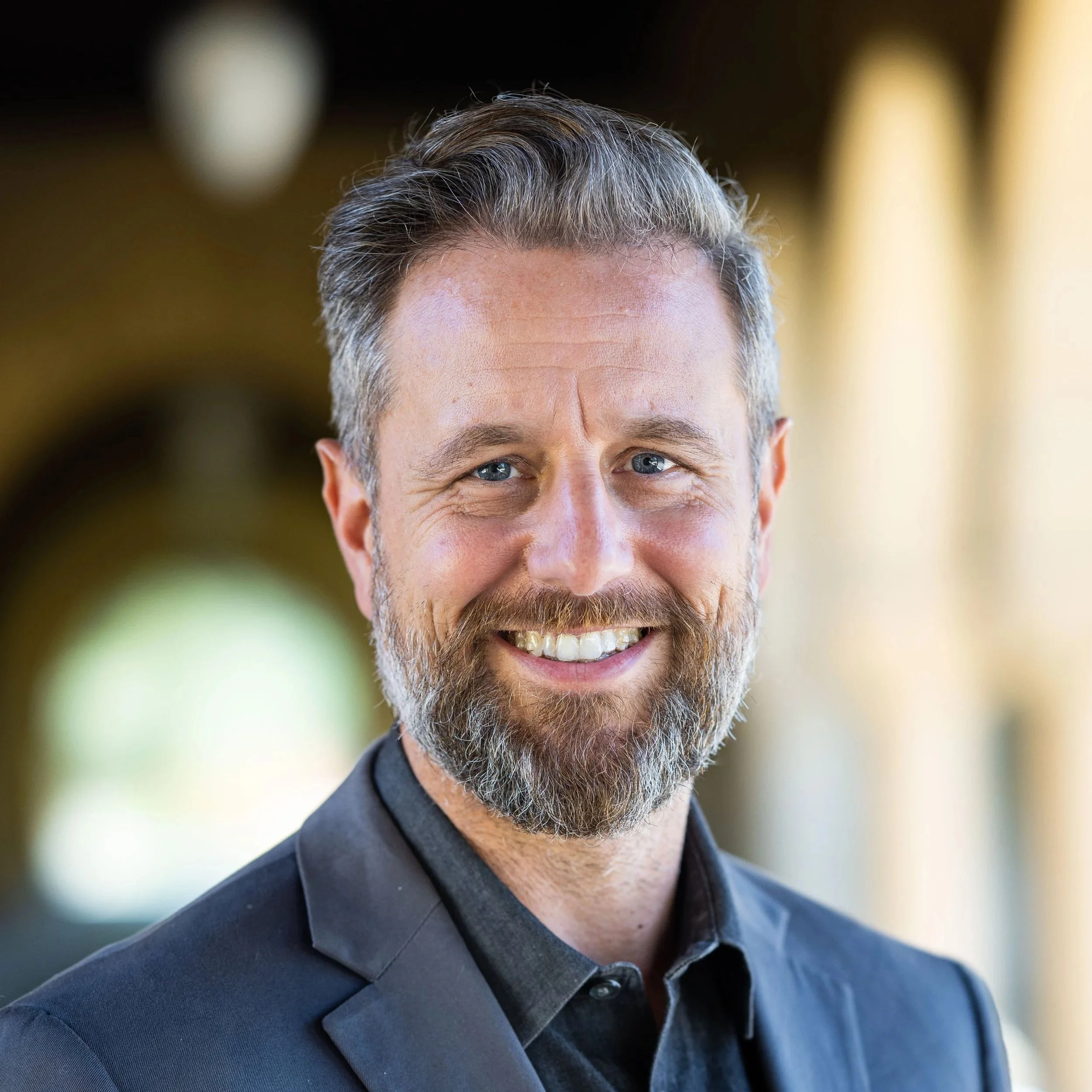
Jeff Hancock is the Harry and Norman Chandler Professor of Communication at Stanford University, Founding Director of the Stanford Social Media Lab and Director of the Tech Impact & Policy Center. His research examines how social technologies like artificial intelligence and social media shape trust, well-being, and human behavior, with a focus on helping organizations and policymakers navigate the psychological impacts of emerging technologies.
Read More