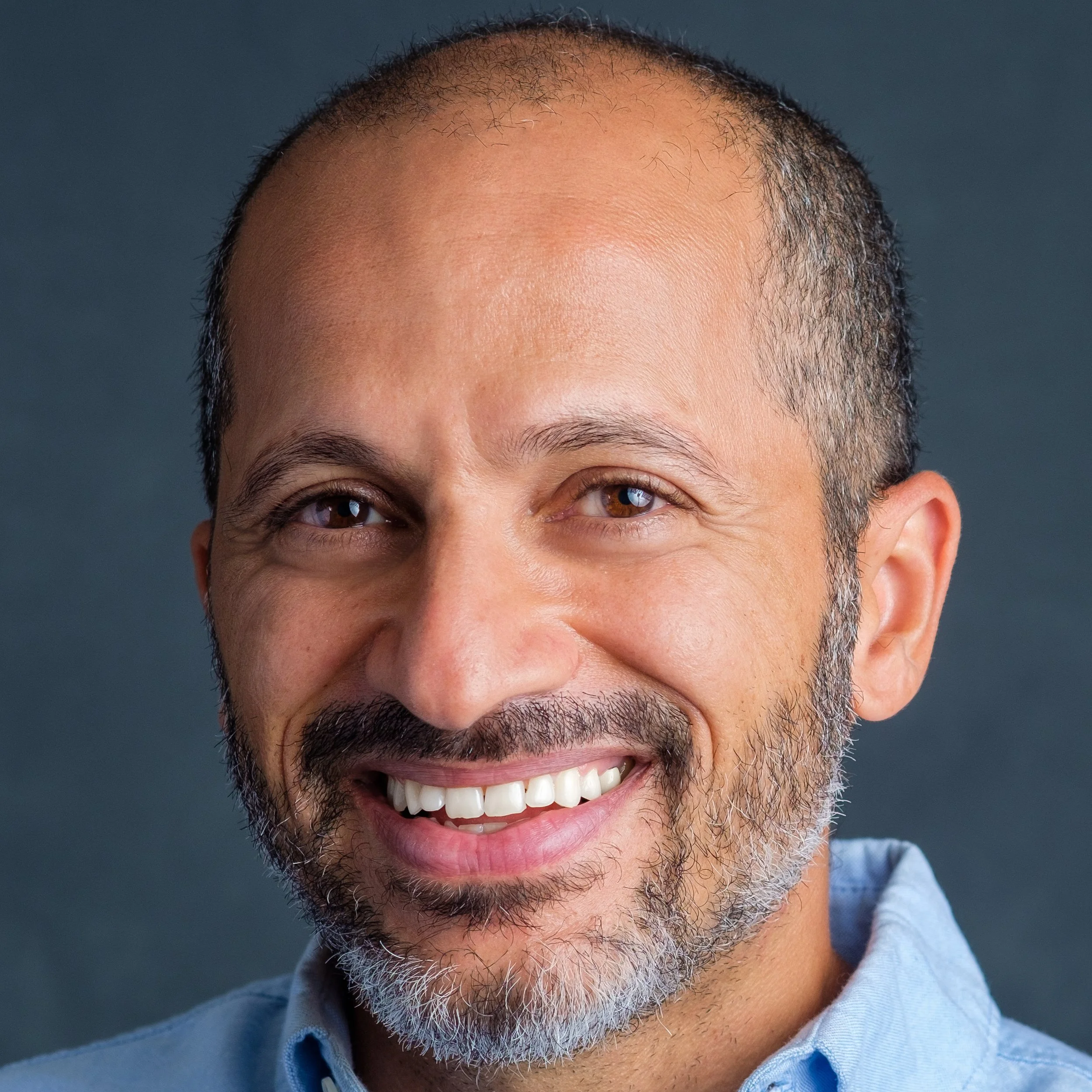
Michael Inzlicht is a Professor of Psychology at the University of Toronto, cross-appointed at the Rotman School of Management and a Research Lead at the Schwartz Reisman Institute for Technology & Society. His lab studies mental effort, empathy, and how technology reshapes motivation and well-being. Recent work examines AI-generated empathy and why people reject the machine responses they rate most highly. He has ranked among the top 1% of most-cited psychologists worldwide for four consecutive years.
Read More2026 Speakers (draft 1)
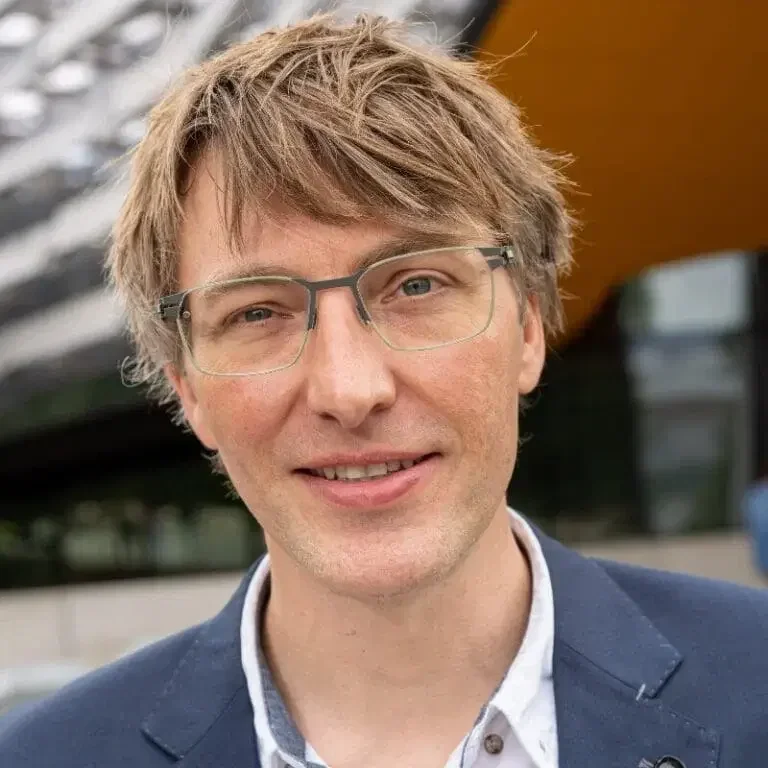
Danielle Leibzon is an undergraduate at the University of California, Berkeley, pursuing B.A. degrees in Molecular & Cell Biology and Public Health (Class of 2028). She is a Co-Lead Student Facilitator for Dr. Sahar Yousef's Cognitive Science 175 course, "Mind, Machine, and Meaning: Living Intentionally in the Digital Age," where she co-leads a team of 10 facilitators supporting 450 students. Her research with the course team examines how limiting screen time and practicing mindfulness affect digital dependence, attention, and social interaction.
Read MoreGracielle Li is a Ph.D. candidate in Psychology and Social Policy at Princeton University. Her research examines how people form expectations, beliefs, and social connections across interpersonal, parasocial, and human–AI relationships. More broadly, she studies how people come to trust, understand, and feel connected to social figures and technologies, and how these relationships shape social cognition and behavior.
Read MoreRyn Linthicum is the head of user well-being policy at Anthropic. Their work combines academic research with practical policy implementation to prevent the harmful misuse of frontier AI models. Ryn’s approach is informed by their background expertise in suicide and self-harm, child development, and machine learning. Prior to joining Anthropic, they led the global issue policy team for mental health at TikTok. Ryn holds a master of science degree in clinical psychology from Florida State University.
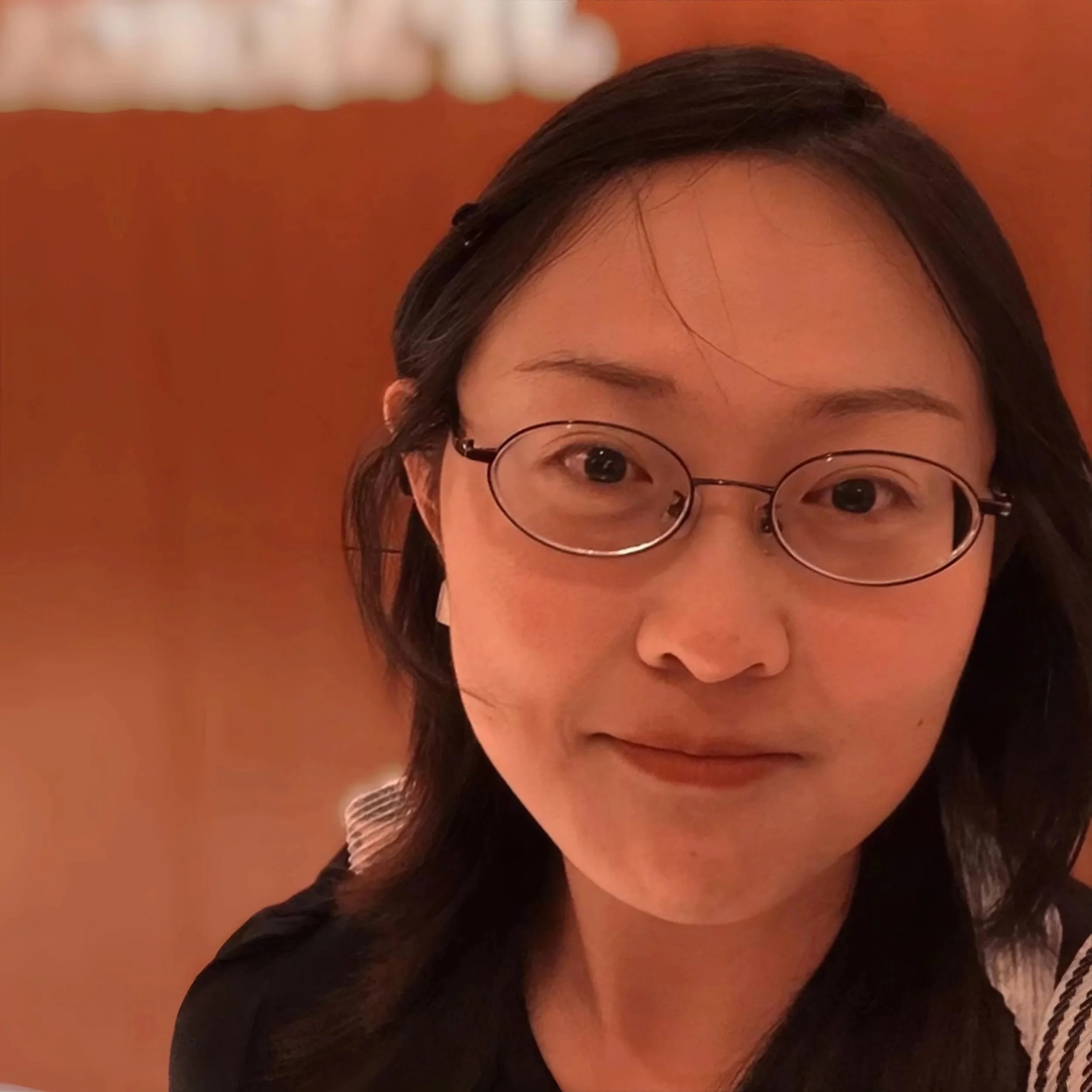
Read MoreYuning Liu is a postdoctoral researcher at Harvard Business School. Her research asks how digital technologies, including social media and AI, can be built to support user well-being and flourishing, from the perspective of user intention and motivation. Her work proceeds along three arms. First, she links objective behavioral traces to subjective experience on social media to unpack the mechanisms behind digital well-being. Second, she identifies user intentions from human–AI collaboration and tests experimentally whether reorienting models toward them improves user experience. Third, she works on policy translation: how social media and AI governance can move beyond access restrictions to reshape stakeholder institutions toward purpose-driven, pro-human outcomes. She holds a PhD from Harvard University, an MSc in Global Population Health from Harvard, and a Bachelor of Medicine from Peking University.
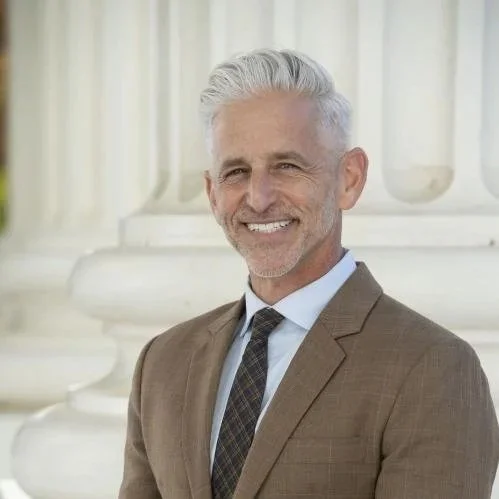
Read MoreAssemblymember Josh Lowenthal was elected to the California State Assembly in November of 2022 to represent the 69th Assembly District. Assemblymember Lowenthal worked as an entrepreneur and business owner with a long, successful record of accomplishment in tech and telecom startups. Growing up and working in Long Beach, Josh committed himself to improve the community we live in by working to alleviate homelessness, help at-risk children, and create good, 21st-century jobs. Josh Lowenthal grew up in Long Beach, where he attended public schools. He worked as a local teacher, is a local business owner, and has three daughters in public schools.
Read More