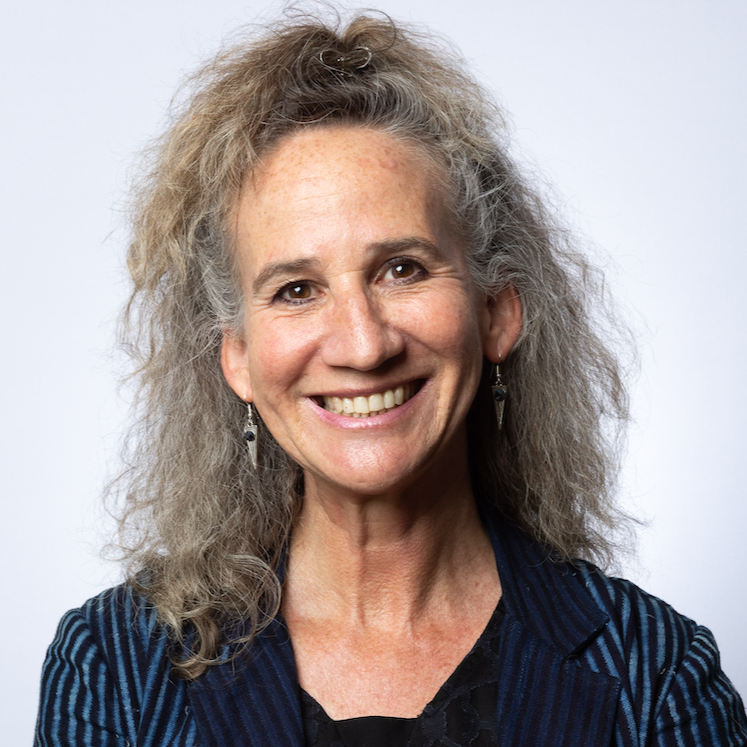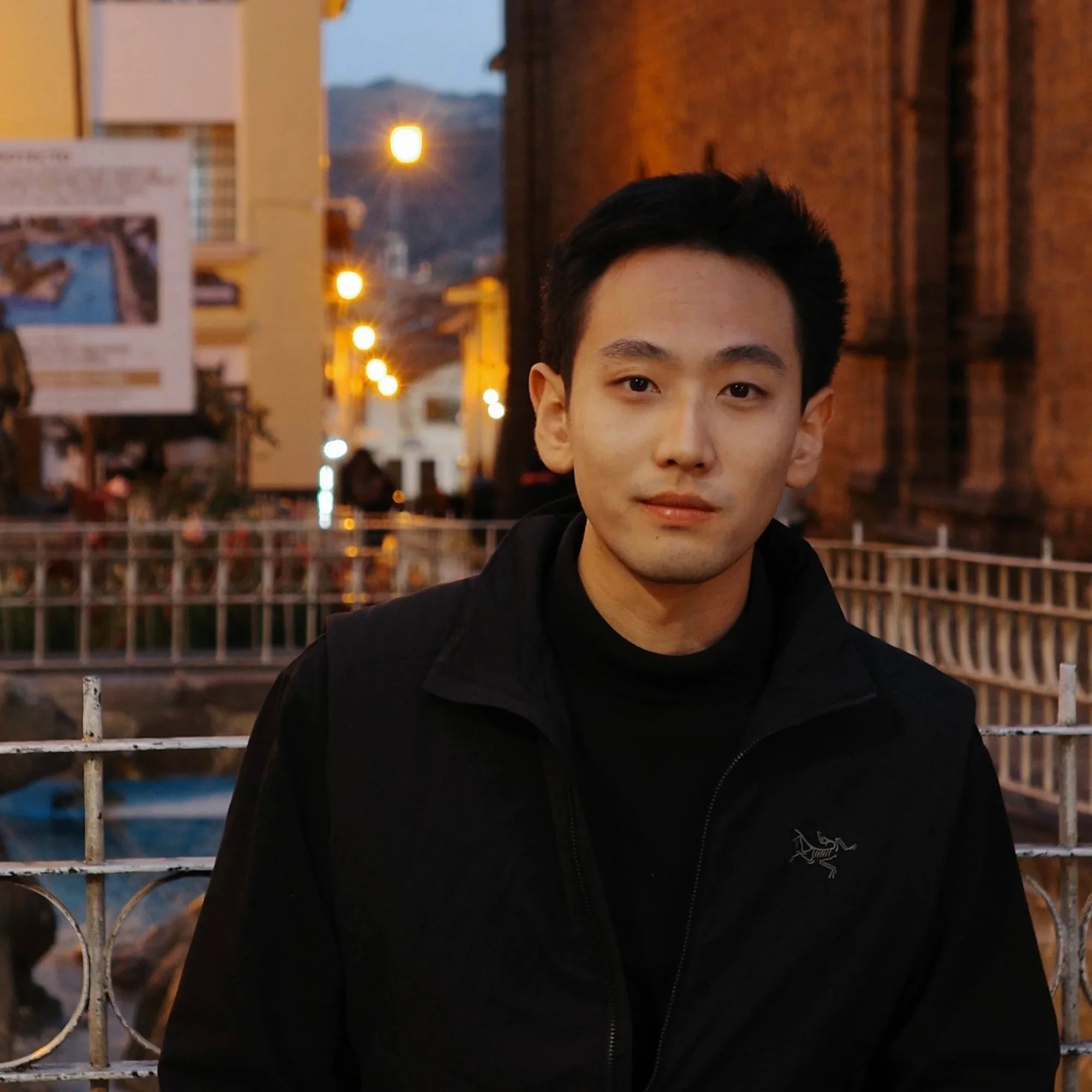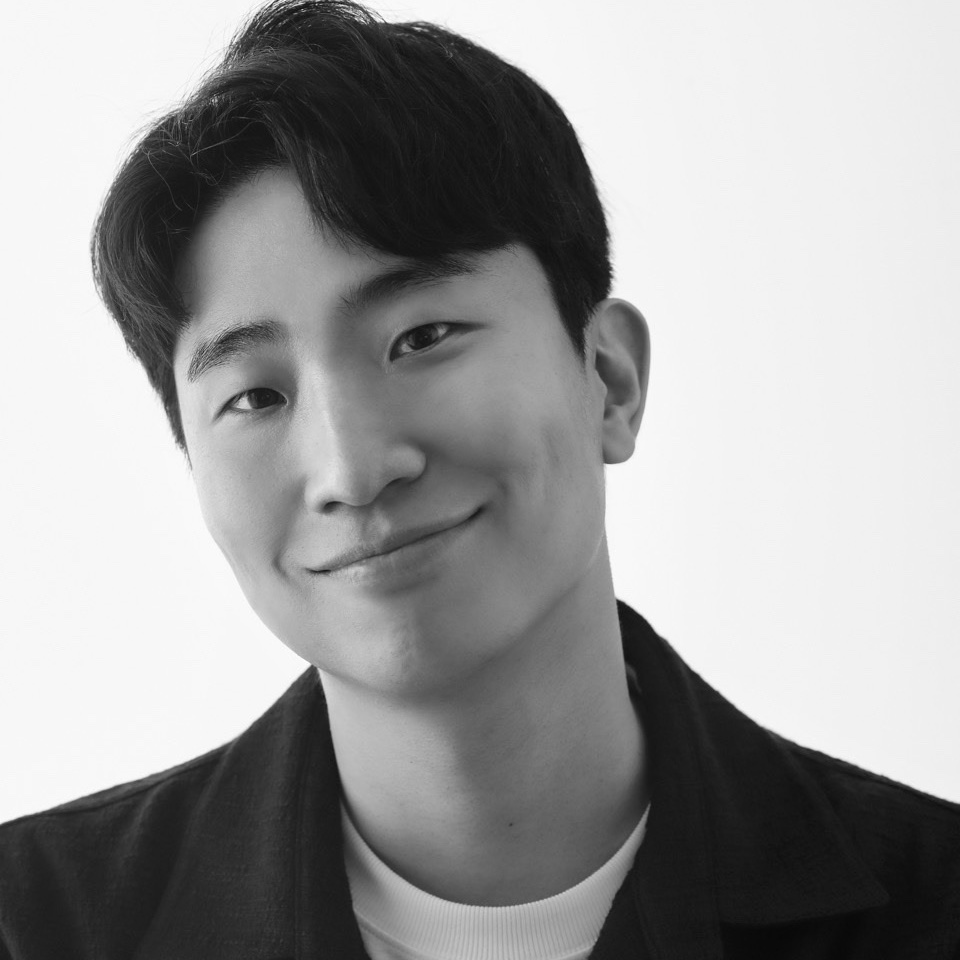
Kibum Moon is a Ph.D. candidate in Psychology at Georgetown University. His research explores human creativity and well-being in the context of AI and digital technologies. His recent work examines how generative AI makes individual work appear more creative while narrowing the diversity of human ideas. His broader goal is to understand the conditions under which AI and digital technologies can expand human creative potential and support digital well-being. To address these questions at scale, he integrates computational methods with psychological theory, combining natural language processing, machine learning, Bayesian modeling, and behavioral experiments. His work has been published in journals such as Nature Human Behaviour and featured in major media outlets, including The New York Times and CNN.
Read More2026 Speakers (draft 2)
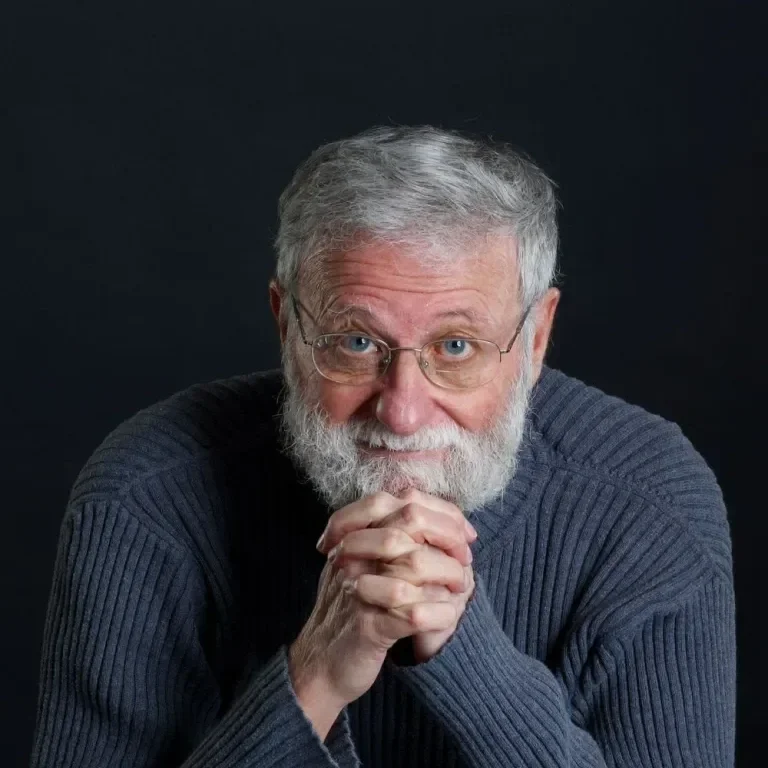
Don Norman is Distinguished Professor (emeritus), Founder and first Director of the Design Lab at the University of California, San Diego. He has been a Vice President of Advanced Technology at Apple and an executive at HP. He is co-founder of the Nielsen Norman group, a member of the National Academy of Engineering, fellow of numerous societies with honorary degrees from Delft, Padua, and San Marino. He received, a lifetime achievement award from ACM’s Computer-Human Interaction group, the President’s lifetime achievement award from the Human Factors and Ergonomics Society, the Sir Misha Black Medal for distinguished service to design education from the Royal Commission for the Exhibition of 1821, London, UK, the Design Guru Award from The Institute of Design, JK Lakshmipat University, Jaipur India. In 2022 he received the Frontier Design Prize from the World Design Cities Conference and the Design Innovation Institute, Shanghai with guidance from the Shanghai Municipal government. He is currently an Honorary Professor and Advisor, College of Design and Innovation, Tongji University (Shanghai) and on the International Advisory Board of the School of Design at Hong Kong Polytech and was a distinguished visiting professor at the Korean Advanced Institute of Technology for three years. He has published 21 books translated into over 20 languages including Emotional Design and Design of Everyday Things. His latest book is “Design for a Better World: Meaningful, Sustainable, Humanity Centered."
Read MoreBarry Schwartz is an emeritus professor of psychology at Swarthmore College and a research associate at the Haas School of Business at Berkeley. He has spent more than fifty years thinking and writing about the interaction between economics, psychology, and morality. He has written several books that address aspects of this interaction, including The Battle for Human Nature, The Costs of Living, The Paradox of Choice, Practical Wisdom (with Kenneth Sharpe), Why We Work, and most recently, Choose Wisely (with Richard Schuldenfrei). Schwartz has spoken four times at the TED conference, and his TED talks have been viewed by more than 25 million people.
Read MoreLena Slachmuijlder has worked at the intersection of media, peacebuilding, and technology for more than three decades. She spent a decade with independent media in Africa before leading two decades of peacebuilding initiatives across Africa, Asia, and the Middle East with Search for Common Ground, where she advanced dialogue, trust, and inclusive participation in conflict-affected societies. Since 2023, she has served as Co-Chair of the Council on Tech and Social Cohesion, co-founded by Search, where she helps guide a global network dedicated to steering technology toward social cohesion rather than polarization and violence. Her work amplifies design-focused approaches in regulatory efforts and explores the adoption of AI-enabled deliberative technologies to support human coordination and decision making. Lena is a graduate of Stanford University and the THNK School of Creative Leadership, and she continues to advance ways that emerging technologies can strengthen democratic resilience and healthier communities worldwide.
Read MoreErtugrul Uysal is an Assistant Professor of Digital Marketing at ZHAW School of Management and Law and a senior researcher at ETH Zürich. His research focuses on how we interact with and relate to digital technologies (GenAI, social media, virtual reality, voice technologies). He often thinks about how we can achieve a sustainable digital future. He is interested in the intersection of AI and empathy, working on GenAI-powered voice technologies with emotion recognition capabilities at the AI Empathy Lab in Switzerland.
Read MoreTanya is a Ph.D. candidate in Social and Personality Psychology and a member of the Positive Activities and Well-Being Lab at the University of California, Riverside. Her research examines positive psychological interventions, individual differences, and the role of emerging technologies in supporting well-being. Her dissertation tests whether AI-facilitated gratitude journaling can support well-being by helping people reflect, express appreciation, and engage with gratitude practices in ways that feel meaningful and personally fitting. Prior to graduate school, Tanya worked for 16 years in marketing and market research, including as Associate Director of Marketing for the Sundance Institute and Sundance Film Festival, where she led data-informed marketing, fundraising, and customer experience research. She also worked as a senior consultant on quantitative and qualitative research for organizations including Microsoft, Disney, Red Bull, Nike, Apple, and Starbucks.
Read MoreHongkun Zhang is a Ph.D. student at the USC Marshall School of Business, advised by Professor Nathanael Fast. His research explores how individuals and organizations adopt and adapt to AI technologies, with a particular focus on organizational dynamics under the influence of AI. He is also interested in the methodological implications of using large language models (LLMs) in social science research—examining their efficiency, reliability, and appropriate applications compared to human raters, particularly in the context of analyzing cultural dynamics.
Read More