2026 Conference (test page)
NEW DIRECTIONS IN RESEARCH ON THE PSYCHOLOGY OF TECHNOLOGY 2026 CONFERENCE: AI AND THE FUTURE OF MEANING
Our tenth annual “New Directions in Research on the Psychology of Technology” conference will be held at the UC Berkeley Haas School of Business on November 6-7, 2026. The theme will be “AI and the Future of Meaning”, focusing on how AI and other emerging technologies are reshaping what people find meaningful—and how tech can strengthen purpose, belonging, and agency.
CONFERENCE ORGANIZERS
Juliana Schroeder, UC Berkeley, Haas School of Business
Don Moore, UC Berkeley, Haas School of Business
Nathanael Fast, USC Marshall School of Business
Ravi Iyer, USC Marshall School of Business
Partners
Center for Human-Compatible AI (with special thanks to J.P Gonzales and Sarah Otis)
UC Berkeley's Institute for Personality and Social Psychology Research (with special thanks to Iris Mauss)
Berkeley Culture Center and Innovation (with special thanks to Sameer Srivastava and Martha Gerhan)
Kavli Center for Ethics, Science, and the Public (with special thanks to Jodi Halpern)
Sponsors
UC Berkeley Haas School of Business (with special thanks to Dean Jenny Chatman)
USC Marshall Neely Center for Ethical Leadership and Decision Making (with special thanks to Nate Fast, Ravi Iyer, and Parama Sigurdsen)
Workday Foundation (with special thanks to Carrie Varoquiers)
UC Berkeley School of Information (with special thanks to Diag Davenport)
Schedule
Please note that all the times indicated in the schedule are provided in Pacific Time.
FRIDAY, NOVEMBER 6, 2026
08:00am – 08:30am | Check-in & Breakfast
08:30am - 08:45am | Dean's Welcome
Dean Jenny Chatman, UC Berkeley Haas School of Business
08:45am - 09:00am | Conference Overview & Organizers’ Welcome
Don Moore and Juliana Schroeder (UC Berkeley Haas School of Business)
09:00am - 10:45am | Opening Speaker Session: Technology and the Transformation of Meaning
09:00am - 09:30am | Jeff Hancock (Harry & Norman Chandler Professor of Communication, Stanford University; Founding Director, Stanford Social Media)
09:30am - 10:00am | Barry Schwartz (Emeritus Professor of Psychology, Swarthmore College)
10:00am - 10:30am | Juliana Schroeder (UC Berkeley Haas School of Business)
10:30am - 10:45am | Discussion
10:45am - 11:00am | Break
11:00am - 11:45am | Speaker Session: Regulating for Meaning—Preserving What Makes Us Human
11:00am - 11:15am | Ravi Iyer, USC Marshall School of Business
11:15am - 11:30am | David Evan Harris (Chancellor’s Public Scholar, UC Berkeley)
11:30am - 11:45am | Discussion
11:45am - 12:00pm | Keynote: Holding Technology Companies Accountable for Their Impact on Society
Josh Lowenthal (California Member of the Assembly)
12:00pm - 12:30pm | Q&A with Assembly Member Josh Lowenthal
12:30pm - 01:30pm | Lunch
01:30pm - 02:10pm | Conversation: Embodied AI—When Intelligence Meets the Physical World
Ken Goldberg (William S. Floyd Jr. Distinguished Chair in Engineering, UC Berkeley; Professor of IEOR, EECS, School of Information, and Art Practice)
In conversation with: Malte Jung (Information Scientist, Cornell University)
02:10pm - 02:15pm | Psych of Tech Research Spotlight:The AI Indices (Youth and Adult)
02:15pm - 02:30pm | Break
02:30pm - 04:15pm | Speaker Session: AI and Society—Risks, Benefits, Responsibility
02:30pm - 03:00pm | Sara Johansen (Head of Mental Health Product Policy, OpenAI)
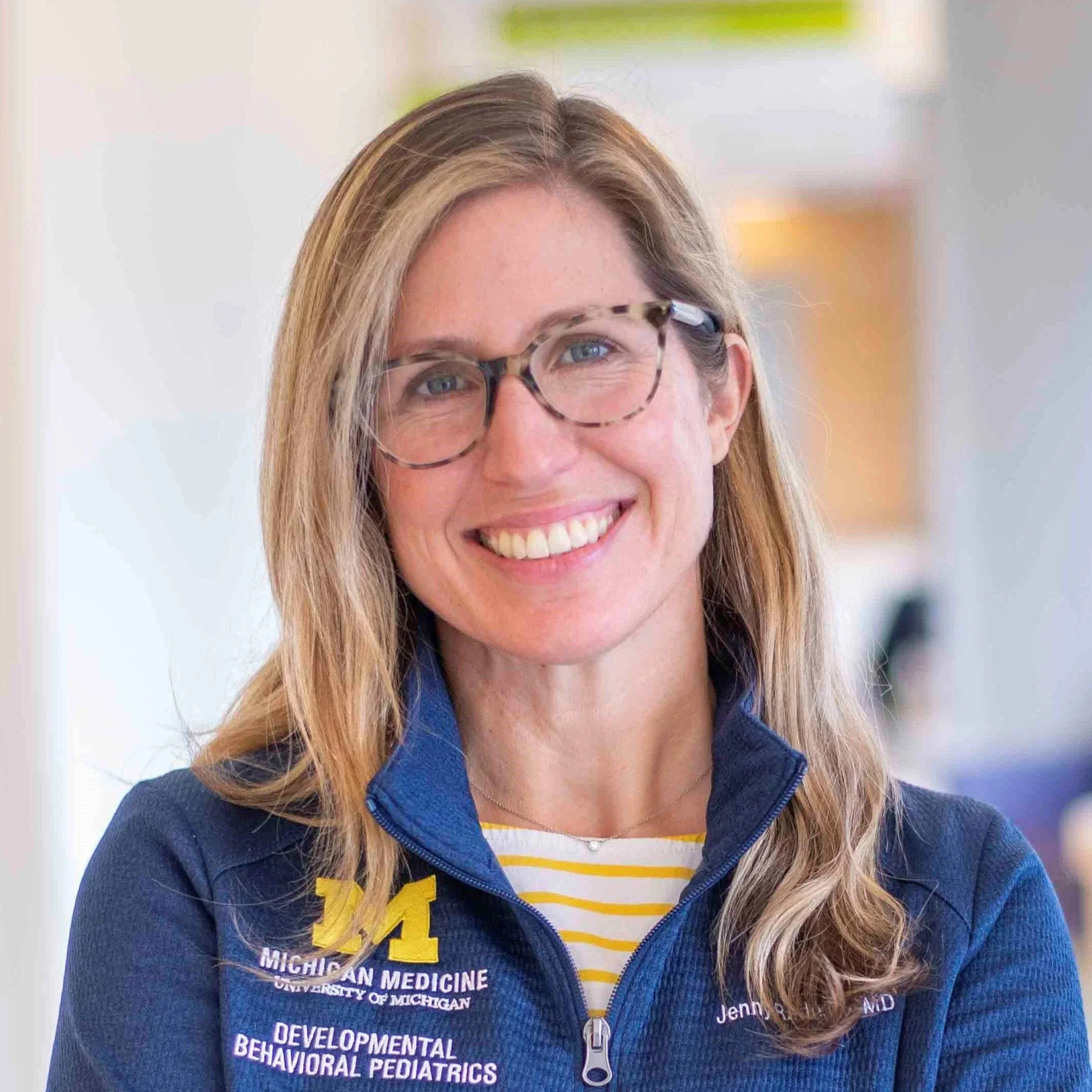
03:00pm - 03:30pm | Jenny Radesky (David G. Dickinson Collegiate Professor of Pediatrics, University of Michigan; Co-Medical Director, AAP Center of Excellence on Social Media and Youth Mental Health)
03:30pm - 04:00pm | TBA
04:00pm - 04:15pm | Discussion
Moderator: Nathanael Fast (Professor of Management and Organization, USC Marshall; Co-Director Psychology of Technology Institute; Director, USC Neely Center)
04:15pm - 05:15pm | Discussion Potluck: Bring Your Own Topics to Discuss!
05:15pm - 05:30pm | Day 1 Wrap-up
05:30pm - 06:30pm | Poster Session & Happy Hour
06:30pm - 08:30pm | Dinner
08:30pm - midnight | Post-Dinner Socializing
SATURDAY, NOVEMBER 7, 2026
08:30am - 09:00am | Opening Keynote: Design for a Better World
Don Norman (Founder, Don Norman Design Award, Humanity-Centered Design)
09:00am - 09:55am | Panel: Designing AI for Human Values
Jodi Halpern (Professor of Bioethics, UC Berkeley; Co-Director, Berkeley’s Kavli Center for Ethics, Science, and the Public)
Ryn Linthicum (Head of User Well-Being Policy, Anthropic)
Amanda McCroskery (Applied AI Ethics & Governance Researcher, Google DeepMind)
Moderator: Pat Pataranutaporn (Assistant Professor, MIT Media Lab)
09:55am - 10:00am | Psych of Tech Research Spotlight: Survey Data Quality in the AI Age
10:00am - 10:10am | Break
10:10am - 11:55am | Speaker Session: Connection, Conflict, and Communication in the AI Age
10:10am - 10:40am | Pattie Maes (Germeshausen Professor of Media Arts and Sciences, MIT Media Lab)
10:40am - 11:10am | Lena Slachmuijlder (Senior Advisor of Digital Peacebuilding, Search for Common Ground; Co-Chair, Council on Tech and Social Cohesion; Neely Senior Practitioner Fellow, USC Marshall Neely Center)
11:10am - 11:40am | Xuan Zhao (CEO & Co-Founder, Flourish Science; Research Scientist, Stanford University)
11:40am - 11:55am | Discussion
Moderator: Don Moore, UC Berkeley, Haas School of Business
11:55am - 12:00pm | Psych of Tech Research Spotlight: The Social Spectrum
12:00pm - 01:00pm | Lunch
01:00pm - 02:00pm | Datablitz & Discussion
Dunigan Folk, University of British Columbia
Ertuğrul Uysal, ZHAW Zurich University of Applied Sciences
Grace Elizabeth Falgoust, Georgetown University
Kibum Moon, Georgetown University
Rafael Batista, Johns Hopkins Carey Business School
Yuning Liu, Harvard Business School
02:00pm - 02:15pm | Break
02:15pm - 04:00pm | Concluding Speaker Session: The Social Mind in the Digital World
02:15pm - 02:45pm | Nicholas Epley (John Templeton Keller Distinguished Service Professor of Behavioral Science, Chicago Booth School of Business)
02:45pm - 03:15pm | Amit Goldenberg (Assistant Professor, Harvard Business School)
03:15pm - 03:45pm | Michael Inzlicht (Professor of Psychology, University of Toronto)
03:45pm - 04:00pm | Discussion
Moderator: Juliana Schroeder (Harold Furst Chair in Management Philosophy and Values, Berkeley Haas; Co-Director, Psychology of Technology Institute)
04:00pm - 04:30pm | Conference Wrap-Up
04:30pm - 05:30pm | Concluding Happy Hour
PArtial list of speakers and Presenters
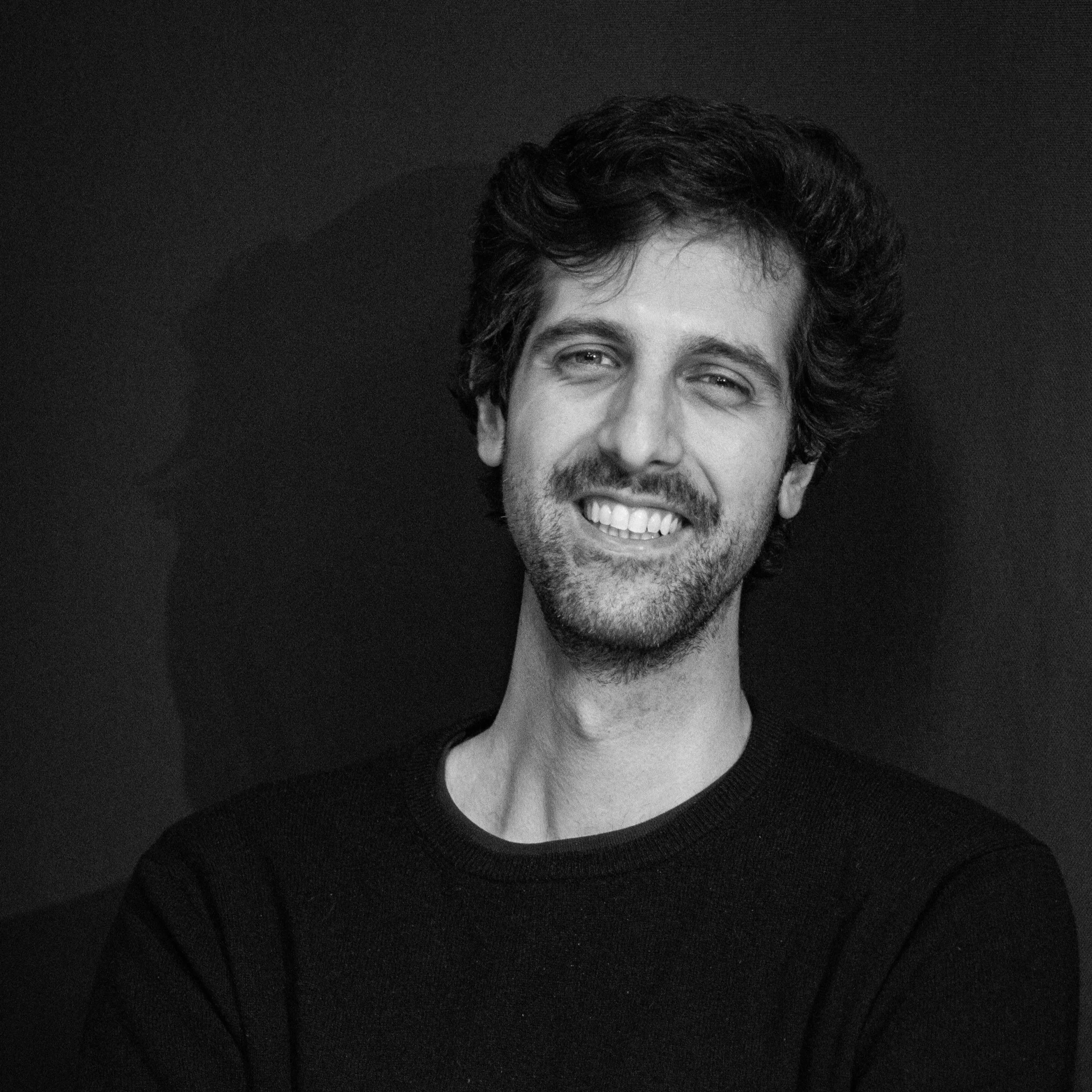
Rafael Batista is a postdoctoral research fellow at Johns Hopkins Carey Business School. His research examines how AI shapes the way people think about and experience the world, influencing the beliefs they form and the decisions they make. He also studies financial decision-making, particularly the psychology behind how people spend, save, and borrow.
Rafael was previously a Postdoctoral Research Associate at Princeton University's Kahneman-Treisman Center for Behavioral Science & Public Policy. Before his PhD, he co-founded the Behavioral Science Team at Commonwealth Bank of Australia and conducted field experiments across East Africa with the Busara Center for Behavioral Economics. He continues to work with organizations and is currently consulting for UNICEF on behavioral data science. Additional information about his research can be found on rafaelmbatista.com.
Jeslyn Brouwers is a PhD student in Management and Organization at the USC Marshall School of Business.
Elizabeth is a PhD student in the Life Hacks Research Lab. She holds a B.S. in psychology from the University of Toronto. She is interested in the links between screen time and well-being and designing interventions to improve people's experiences using technology. Outside of the lab, she enjoys watching basketball, doing jigsaw puzzles, and spending time with her bunny.
Jenny Chatman is the Bank of America Dean of the Haas School of Business. Prior to becoming dean, she held the Paul J. Cortese Distinguished Professorship in the Management of Organizations Group.
In her research, teaching, and consulting work, she focuses on how organizations can leverage culture for strategic success and how diverse teams can optimize performance. Her award-winning research has shown, for example, how emphasizing innovation in the context of a strong culture increases firms’ financial success, how narcissistic leaders create organizational cultures lower in collaboration and integrity, and how norms to cooperate can cause members to blur differences among them, even if those differences are useful for group performance—suggesting that collaboration should be calibrated in diverse teams. In 2023, Chatman received the lifetime achievement award from the Academy of Management Organizational Behavior Division for her pioneering work that has changed the field.
Chatman is the Co-founder of the Berkeley Center for Workplace Culture and Innovation. She runs the Leading Strategy Execution Through Culture executive education program and co-hosts the podcast The Culture Kit with Jenny & Sameer with Sameer Srivastava. She has served in many leadership roles at Haas and UC Berkeley over the years, including Associate Dean of Academic Affairs, Acting Dean, and Interim Dean from August 2024 to July 2025. Chatman earned her PhD at UC Berkeley Haas, and her BA in psychology from UC Berkeley.
Vivienne Chi is a Postdoctoral Researcher in Computer and Information Science at the University of Pennsylvania. She studies how people's relationships with AI develop over time: how people learn to trust AI, how it shapes their choices and sense of agency, and what those interactions mean for well-being. Combining cognitive science with computational methods, her work aims to inform the design of AI systems that support people’s longer-term interests.
Yalda Daryani is a PhD candidate in social psychology at the University of Southern California, where she works in the Mind & Society Center with Daphna Oyserman and Norbert Schwarz. She studies how AI systems represent human culture and values, using natural language processing, cross-cultural studies, and behavioral experiments. Her recent work examines how large language models flatten cultural differences, whether frontier models capture how national cultures change over time, and how LLMs reason about moral content across languages. In 2026, she was a Google Public Policy Fellow at the Center for Democracy & Technology.
Danica Dillion is a Postdoctoral Researcher at Complexity Science Hub Vienna and The Ohio State University, where she studies how AI systems model human moral values and how they can be better aligned with people. Her research spans the growing role of large language models (LLMs) in moral advice and decision-making, the potential for LLMs to simulate human research participants, variation in moral beliefs across social network structures, and the relationships between religious beliefs and social scale across historical societies. She has also co-authored a benchmark for multicultural value alignment in LLMs. Her work has been published in journals such as Nature Human Behaviour, PNAS Nexus, and Trends in Cognitive Sciences, and featured in media outlets such as The New Yorker and Scientific American.
Lila DiMasi is a research coordinator working with Angela Duckworth and the Behavior Change for Good Initiative at the University of Pennsylvania. She received her B.A. in Psychology from Penn. She is interested in social connection and how technology use affects how we engage with the people around us.
Nicholas Epley is the John Templeton Keller Distinguished Service Professor of Behavioral Science, and Director of the Roman Family Center for Decision Research, at the University of Chicago Booth School of Business. He studies social cognition—how thinking people think about other thinking people—to understand why smart people so routinely misunderstand each other. He has been awarded the 2008 Theoretical Innovation Award from the Society for Personality and Social Psychology, the 2011 Distinguished Scientific Award for Early Career Contribution to Psychology from the American Psychological Association, the 2015 Book Prize for the Promotion of Social and Personality Science, and the 2018 Career Trajectory Award from the Society for Experimental Social Psychology. He is the author of Mindwise: How We Understand What Others Think, Believe, Feel, and Want (2014), and A Little More Social: How Small Choices Create Unexpected Happiness, Health, and Connection (2026).
Grace Falgoust (she/her) is a doctoral candidate in Social Psychology and a master's candidate in Public Policy at Georgetown University, where she is advised by Dr. Kostadin Kushlev in the Happy Tech Lab. Her research examines how technology shapes wellbeing and translates that science into actionable policy recommendations for schools, governments, and workplaces—drawing on both quantitative and qualitative methods to do so.
Currently, she co-leads a research project investigating the real-world impacts of social media regulation on youth wellbeing. Before graduate school, she spent two years at the RAND Corporation contributing to peer-reviewed publications and research reports across defense, public health, and education policy. Outside of the lab, you can find her on DC's biking trails or watercoloring cards.
Dunigan is a Postdoctoral Fellow at the University of Pennsylvania who studies the role of social connection in living a happy life, and what happens to our sense of connection when we turn to AI for companionship.
Evan Gold is an undergraduate at the University of California, Berkeley, pursuing a B.A. degree in Integrative Biology (Class of 2027). He is a co-lead teaching and research assistant for CogSci 175, Mind, Machine, and Meaning. Additionally he has taught the student-led course Info 98: Becoming Tech Intentional. His research interest is how young people can learn to have healthier relationships with technology and he hopes to pursue graduate study in the area. He is also an oarsman for the Cal men's rowing team.
Ken Goldberg is William S. Floyd Distinguished Professor of Engineering at UC Berkeley and an award-winning roboticist, filmmaker, artist and popular public speaker on AI and robotics. At UC Berkeley, Ken trains the next generation of researchers and entrepreneurs. He has published over 450 papers, 3 books, and holds 10 US Patents. Ken’s artwork has been featured in 70 art exhibits including the Whitney Biennial. He is a pioneer in technology and artistic visual expression, bridging the “two cultures” of art and science. With unique skills in communication and creative problem solving, invention, and thinking on the edge, Ken has presented over 600 invited lectures at events around the world.
I am an associate professor at Harvard Business School, an affiliate with Harvard’s Department of Psychology, and a member of the HBS AI Institute. My research bridges two interconnected areas focused on enhancing flourishing within groups and communities, reducing unhelpful emotions, and improving well-being. One line of my work examines group behavior, with specific attention to emotions and affective processes in social contexts. Through this work, I study how dynamics such as contagion and network structure shape group functioning. Building on the need to find scalable solutions for changing emotions, a second focus explores technology, particularly AI-driven systems, and their role in eliciting emotions and providing emotional support. As AI tools are increasingly adopted to address the growing well-being crisis, they offer a promising large-scale solution for enhancing emotional health while also posing challenges for human social relations. To address these questions, I combine behavioral experiments with computational modeling, applying lab-based insights to real-world contexts.
Jodi Halpern, MD, PhD holds a University Chair and is Professor of Bioethics and Medical Humanities at the School of Public Health at UC Berkeley. Her work brings together psychiatry, philosophy, affective forecasting and decision neuroscience to elucidate how people imagine and influence their own and each other’s future health possibilities. Her book, From Detached Concern to Empathy: Humanizing Medical Practice was called a “seminal work” by the Journal of the American Medical Association. Her upcoming book Remaking the Self in the Wake of Loss examines the role of empathy in post-traumatic growth. Dr. Halpern’s research articles focus on innovative technologies and ethics. She co-founded and is the Co-Director of the Kavli Center for Ethics, Science and the Public and leads the Berkeley Group for the Ethics and Regulation of Innovative Technology. Her current book project “Engineering Empathy” examines how AI-simulated empathy is changing personal and therapeutic relationships. She is engaged in policy, currently in creating guardrails to protect minors from risks associated with companion chatbots. She advised the California Senate on SB 243 which became the first law requiring chatbot companies to collect and report data on associated suicidality. Recent media interviews include NPR, KQED, ABC, PBS, CBC, France 5, Wired, the Wall Street Journal, Rolling Stone, and New Scientist. Halpern is the recipient of numerous fellowships and awards including the Greenwall Faculty Scholars Fellowship, the Rockefeller Fellowship at Princeton and the 2022 Guggenheim Award in Health and Medicine. Halpern’s scholarship investigating empathic curiosity for therapeutic impact and to bridge societal divides is recognized worldwide, and in 2024 she received the Inaugural Lifetime Achievement Award in Empathy and Healthcare from The International Network for Empathy in Healthcare.
Jeff Hancock is the Harry and Norman Chandler Professor of Communication at Stanford University, Founding Director of the Stanford Social Media Lab and Director of the Tech Impact & Policy Center. His research examines how social technologies like artificial intelligence and social media shape trust, well-being, and human behavior, with a focus on helping organizations and policymakers navigate the psychological impacts of emerging technologies.
David Evan Harris is a Chancellor’s Public Scholar at UC Berkeley and a continuing lecturer at the Haas School of Business. Harris teaches courses including AI Ethics for Leaders; Social Movements & Social Media; Civic Technology; and Scenario Planning & Futures Thinking. Harris is an affiliated faculty member with the Center for Information Technology Research in the Interest of Society (CITRIS); Center for Latin American Studies; Center for Equity, Gender, and Leadership (EGAL); and the Business and Public Policy Group at UC Berkeley.
In his previous role at Meta (formerly Facebook), Harris managed teams of quantitative and qualitative researchers working on responsible AI, social impact, and civic integrity. During his close to five years with the company, he and his teams covered topic areas including AI fairness and inclusion; AI governance and accountability; global election integrity; misinformation; coordinated inauthentic behavior; hate speech; human rights; political violence; harassment and online safety for activists, journalists, and politicians; community organizing; civic participation; racial justice; authoritative information; volunteering and non-profit organizations.
At the Institute for the Future (IFTF), he served as research director, leading research on the future of media, philanthropy, governance, international development, and social movements from 2008-2018. Harris studied at the University of São Paulo (MS, Sociology) and UC Berkeley (BA, Political Economy of Environment & Development). As a student, he was an intern at the White House Council on Environmental Quality and a confidential assistant at the Office of Management and Budget, Natural Resources Division.
Harris is formally trained in sociology and specializes in methods including ethnography, in-depth interviews, aggregation of expert opinion, survey design, scenario planning, signals scanning, multi-stakeholder workshop facilitation and content analysis.
In 2004, he founded the Global Lives Project, a network of people working to build a video library of daily life around the world. Harris continues to support the Global Lives project with help of talented teams of UC Berkeley students through the Undergraduate Research Apprenticeship Program.
Michael Inzlicht is a Professor of Psychology at the University of Toronto, cross-appointed at the Rotman School of Management and a Research Lead at the Schwartz Reisman Institute for Technology & Society. His lab studies mental effort, empathy, and how technology reshapes motivation and well-being. Recent work examines AI-generated empathy and why people reject the machine responses they rate most highly. He has ranked among the top 1% of most-cited psychologists worldwide for four consecutive years.
Sara Johansen, MD, leads mental health and well-being product policy at OpenAI. She partners across product, engineering, and design to develop evidence-informed features and safeguards that support mental health and wellbeing. She also helps direct research on how human–AI interactions affect wellbeing.
Previously, Sara was a Clinical Assistant Professor at Stanford University, where she founded and directed Stanford’s Digital Mental Health Clinic. She also held faculty affiliations with the Stanford Institute for Human-Centered Artificial Intelligence and the Graduate School of Business. Her work examined how digital technologies could expand access to mental health care, strengthen treatment delivery, and support wellbeing.
Sara is a practicing psychiatrist and earned her medical degree from Stanford University School of Medicine. Her clinical work remains central to her perspective on AI systems and human wellbeing.
Malte F. Jung is an Associate Professor of Information Science at Cornell University and the Nancy H. ’62 and Philip M. ’62 Young Sesquicentennial Faculty Fellow. His InterPlay Research Studio brings a design studio practice and sensibility to research in information science and robotics. It develops new methods for studying interaction "in the wild" and works across engineering, design, and the social sciences to ask not only how we build AI systems, but how those systems transform the environments, relationships, and values they enter into. His work has appeared in PNAS, Scientific Reports, and the ACM CHI and HRI conferences, has received multiple best paper awards, and has been covered by Scientific American, Wired, and the BBC. He is a recipient of the NSF CAREER Award. He holds a Ph.D. in Mechanical Engineering (with a minor in Psychology) from Stanford University and a diploma in Mechanical Engineering from the Technical University of Munich, and was a postdoctoral researcher at Stanford's Center for Work, Technology, and Organization.
Malte F. Jung is an Associate Professor of Information Science at Cornell University, where he leads the InterPlay Research Studio. The studio brings a design studio practice and sensibility to research in information science and robotics, developing new methods for studying interaction "in the wild" and asking not only how we build AI systems, but how those systems transform the environments, relationships, and values they enter into. His work has earned multiple best paper awards and an NSF CAREER Award, and has been covered by Scientific American, Wired, and the BBC. He holds a Ph.D. in Mechanical Engineering from Stanford University.
Danielle Leibzon is an undergraduate at the University of California, Berkeley, pursuing B.A. degrees in Molecular & Cell Biology and Public Health (Class of 2028). She is a Co-Lead Student Facilitator for Dr. Sahar Yousef's Cognitive Science 175 course, "Mind, Machine, and Meaning: Living Intentionally in the Digital Age," where she co-leads a team of 10 facilitators supporting 450 students. Her research with the course team examines how limiting screen time and practicing mindfulness affect digital dependence, attention, and social interaction.
Gracielle Li is a Ph.D. candidate in Psychology and Social Policy at Princeton University. Her research examines how people form expectations, beliefs, and social connections across interpersonal, parasocial, and human–AI relationships. More broadly, she studies how people come to trust, understand, and feel connected to social figures and technologies, and how these relationships shape social cognition and behavior.
Ryn Linthicum is the head of user well-being policy at Anthropic. Their work combines academic research with practical policy implementation to prevent the harmful misuse of frontier AI models. Ryn’s approach is informed by their background expertise in suicide and self-harm, child development, and machine learning. Prior to joining Anthropic, they led the global issue policy team for mental health at TikTok. Ryn holds a master of science degree in clinical psychology from Florida State University.
Yuning Liu is a postdoctoral researcher at Harvard Business School. Her research asks how digital technologies, including social media and AI, can be built to support user well-being and flourishing, from the perspective of user intention and motivation. Her work proceeds along three arms. First, she links objective behavioral traces to subjective experience on social media to unpack the mechanisms behind digital well-being. Second, she identifies user intentions from human–AI collaboration and tests experimentally whether reorienting models toward them improves user experience. Third, she works on policy translation: how social media and AI governance can move beyond access restrictions to reshape stakeholder institutions toward purpose-driven, pro-human outcomes. She holds a PhD from Harvard University, an MSc in Global Population Health from Harvard, and a Bachelor of Medicine from Peking University.
Assemblymember Josh Lowenthal was elected to the California State Assembly in November of 2022 to represent the 69th Assembly District. Assemblymember Lowenthal worked as an entrepreneur and business owner with a long, successful record of accomplishment in tech and telecom startups. Growing up and working in Long Beach, Josh committed himself to improve the community we live in by working to alleviate homelessness, help at-risk children, and create good, 21st-century jobs. Josh Lowenthal grew up in Long Beach, where he attended public schools. He worked as a local teacher, is a local business owner, and has three daughters in public schools.

Pattie Maes is the Germeshausen Professor of Media Arts and Sciences at the MIT Media Lab where she does research at the intersection of Human Computer Interaction and Artificial Intelligence. She codirects the Media Lab's Advancing Humans with AI (AHA) research program and also serves as an affiliated faculty member to MIT's center for Neuro-Biological Engineering. Maes pioneered the concept of Software Agents in the 90s and remains focused on the question of how computer systems and digital devices might augment people and assist them with issues such as memory, learning, decision making, health and wellbeing.
Maes is the editor of four books, has published over 500 peer-reviewed articles, and is an editorial board member and reviewer for numerous professional journals and conferences. She is the recipient of several awards: Netguru selected her for "Hidden Heroes: the people who shaped technology (2022), Time Magazine has included several of her designs in its annual list of inventions of the year; The American Association for Artificial Intelligence gave her the "classic paper 2012" prize, awarded to the most influential AI paper of the year, Fast Company named her one of 50 most influential designers (2011); Newsweek picked her as one of the "100 Americans to watch for" (2000); TIME Digital selected her as a member of the “Cyber Elite,” the top 50 technological pioneers of the high-tech world; the World Economic Forum honored her with the title "Global Leader for Tomorrow"; Ars Electronica awarded her the 1995 World Wide Web category prize; and in 2025 she was recognized with the "Lifetime Achievement Award in Human Computer Interaction" by the Association for Computing Machinery (ACM). She also received honorary doctorates from the Vrije Universiteit Brussel in Belgium and Open Universiteit, Netherlands, and has given several TED talks.
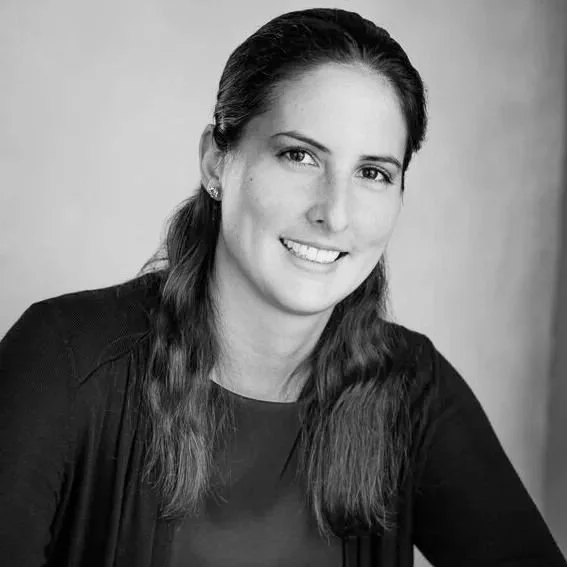
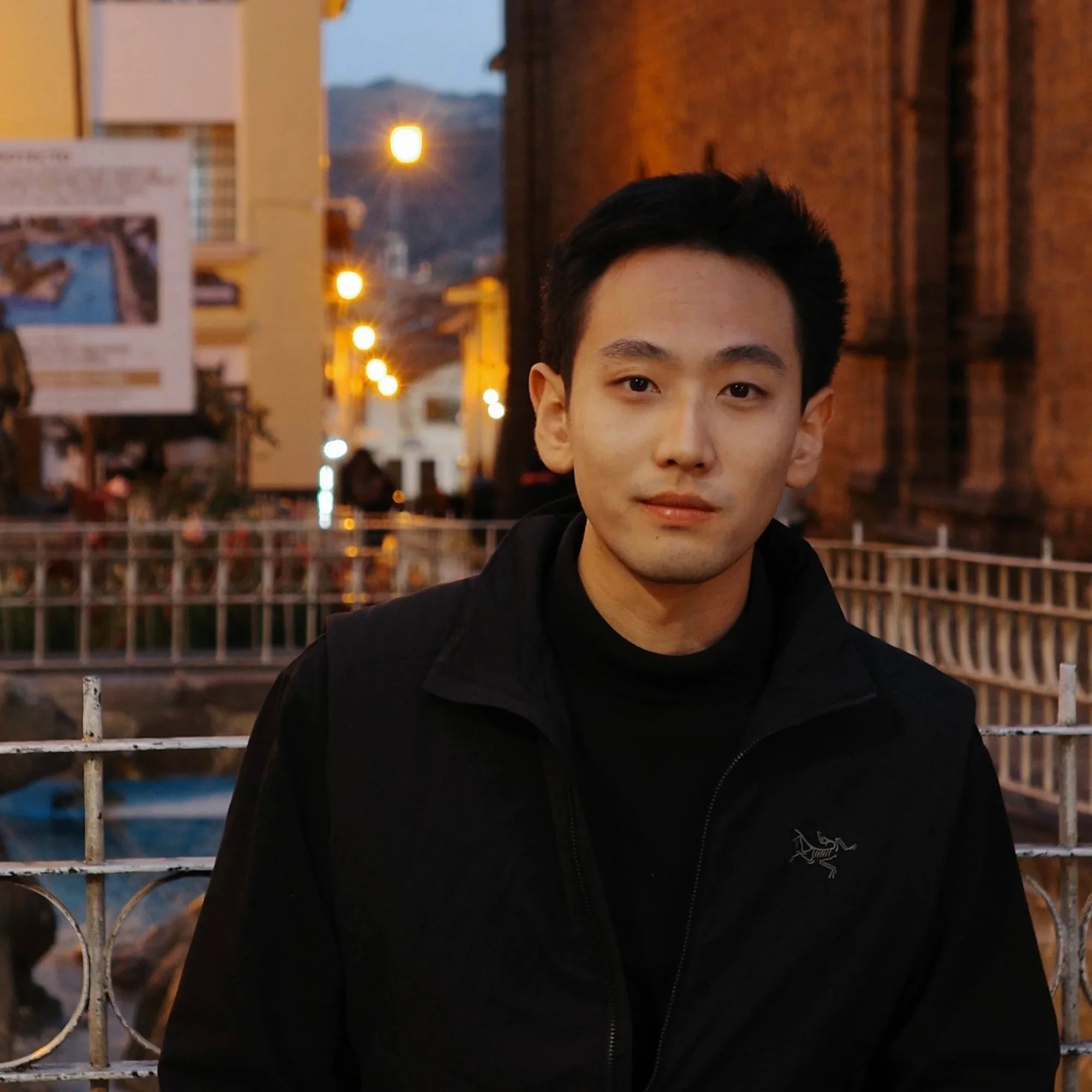

In addition to her academic endeavors, Maes has been an active entrepreneur as co-founder of several venture-backed companies, including Firefly Networks (sold to Microsoft), Open Ratings (sold to Dun & Bradstreet) and Tulip Co (privately held). Prior to becoming a MIT Media Lab professor, Maes received her BA and PhD degrees in Computer Science and Artificial Intelligence from the Vrije Universiteit Brussel in Belgium and later joined the MIT Artificial Intelligence Lab as a visiting professor and a research scientist working with AI luminaries Marvin Minsky and Rodney Brooks.
Kibum Moon is a Ph.D. candidate in Psychology at Georgetown University. His research explores human creativity and well-being in the context of AI and digital technologies. His recent work examines how generative AI makes individual work appear more creative while narrowing the diversity of human ideas. His broader goal is to understand the conditions under which AI and digital technologies can expand human creative potential and support digital well-being. To address these questions at scale, he integrates computational methods with psychological theory, combining natural language processing, machine learning, Bayesian modeling, and behavioral experiments. His work has been published in journals such as Nature Human Behaviour and featured in major media outlets, including The New York Times and CNN.
Don Norman is Distinguished Professor (emeritus), Founder and first Director of the Design Lab at the University of California, San Diego. He has been a Vice President of Advanced Technology at Apple and an executive at HP. He is co-founder of the Nielsen Norman group, a member of the National Academy of Engineering, fellow of numerous societies with honorary degrees from Delft, Padua, and San Marino. He received, a lifetime achievement award from ACM’s Computer-Human Interaction group, the President’s lifetime achievement award from the Human Factors and Ergonomics Society, the Sir Misha Black Medal for distinguished service to design education from the Royal Commission for the Exhibition of 1821, London, UK, the Design Guru Award from The Institute of Design, JK Lakshmipat University, Jaipur India. In 2022 he received the Frontier Design Prize from the World Design Cities Conference and the Design Innovation Institute, Shanghai with guidance from the Shanghai Municipal government. He is currently an Honorary Professor and Advisor, College of Design and Innovation, Tongji University (Shanghai) and on the International Advisory Board of the School of Design at Hong Kong Polytech and was a distinguished visiting professor at the Korean Advanced Institute of Technology for three years. He has published 21 books translated into over 20 languages including Emotional Design and Design of Everyday Things. His latest book is “Design for a Better World: Meaningful, Sustainable, Humanity Centered."
Pat Pataranutaporn, PhD is an assistant professor, technologist, and researcher at the Massachusetts Institute of Technology (MIT), where he is the founding director of the Cyborg Psychology research group. He also serves as co-director of the MIT Media Lab Advancing Humans with AI (AHA) Research Program. His research lies at the intersection of AI and human-computer interaction, where he focuses on inventing, investigating, and inspiring next-generation human-AI systems for human flourishing, applying insights from human psychology to AI and understanding how AI impacts human psychology. His research has been translated into real-world impact, ranging from Future You, a widely adopted AI digital twin for supporting long-term thinking that has been used in over 100 countries worldwide, to research that has shaped legislation protecting children from companion AI, and leading efforts to develop the first open benchmark for the human impact of AI in collaboration with leaders across academia, industry, and government. He also serves as an advisor to the Psychology of Technology Institute and Partnership on AI. As founding director of the Cyborg Psychology research group at the MIT Media Lab, he leads a team of interdisciplinary researchers to develop and study how AI can both augment and diminish human learning, decision-making, critical thinking, creativity, and other critical dimensions of human experience. His group is among the first to investigate emerging phenomena through empirical studies examining how AI reshapes cognition, emotion, and behavior, from emotional dependence on AI companions and cognitive manipulation to false memory implantation, placebo effects of human-AI interaction, and the co-evolution of human and machine intelligence. Pataranutaporn’s research contributions have been published in numerous peer-reviewed journals and conference proceedings, including ACM SIGCHI venues (CHI, IUI, DIS, ISWC, and AHs), ACM SIGGRAPH, NeurIPS, ICML, Proceedings of the National Academy of Sciences (PNAS), Nature Machine Intelligence, Nature Mental Health, Nature Biotechnology, Journal of the American Medical Association (JAMA), and New England Journal of Medicine (NEJM AI). His work has been highlighted by the United Nations AI for Good forum and featured in Technology Review, the New York Times, the Guardian, Bloomberg, the Washington Post, Forbes, the Atlantic, Scientific American, the Wall Street Journal, and more. His work has also been honored as one of TIME’s “Best Inventions of 2023” and was included in Fast Company’s “2023 World Changing Ideas.” Pataranutaporn has collaborated with researchers from both academia and industry, including teams from NASA, Stanford Medicine, Harvard, Mass General Brigham, UCSB, UCLA, UC Irvine, Microsoft Research, OpenAI, NTT Data, KBTG, and more. His projects have been exhibited at the MIT Museum (Massachusetts), Asia Pacific Triennial (Queensland Art Gallery, Australia), The Art Gallery of Western Australia (Australia), MAXXI: National Museum of 21st Century Art (Italy), Bangkok Art Biennale (Thailand), Bangkok City Gallery (Thailand), National Museum of Singapore (Singapore), Peabody Essex Museum (USA), London Design Festival (UK), Transmediale Festival (Germany), National Taiwan Science Education Center (Taiwan), IDEA Museum (Arizona), Mesa Arts Center (Arizona), Autodesk Gallery (California), SIGGRAPH Asia (Tokyo), Ars Electronica (Virtual), and more. Pataranutaporn co-designed and taught one of the first MIT courses on Generative AI, developed to equip students with the essential knowledge and skills to navigate the frontiers of this emerging field. He also co-organized the first workshop on virtual AI humans, attended by over 1,600 participants remotely and more than 200 in person in 2021. He also served as co-creator and writer of the Netflix sci-fi anthology series Tomorrow and I, which premiered in 2024.
Dr. Radesky is the David G. Dickinson Legacy Professor of Pediatrics at the University of Michigan Medical School. Her NIH-funded research examines the use of mobile and interactive technology by parents and young children, parent-child relationships, and child social-emotional development. She has authored policy for the American Academy of Pediatrics (AAP), where she served as Chair of the Council on Communications and Media from 2023-2025. Since 2022 she has acted as co-Medical Director of the AAP Center of Excellence on Social Media and Youth Mental Health, which aims to translate research evidence into family-centered guidance. Dr. Radesky led the first Behavioral Team at the U.S. Federal Trade Commission in 2024-2025, supporting teams on cases related youth online harms. She currently serves as a Senior Advisor to the Common Sense Media Youth AI Safety Institute and has a forthcoming book Connecting: Raising Kids in a Digital World.
Barry Schwartz is an emeritus professor of psychology at Swarthmore College and a research associate at the Haas School of Business at Berkeley. He has spent more than fifty years thinking and writing about the interaction between economics, psychology, and morality. He has written several books that address aspects of this interaction, including The Battle for Human Nature, The Costs of Living, The Paradox of Choice, Practical Wisdom (with Kenneth Sharpe), Why We Work, and most recently, Choose Wisely (with Richard Schuldenfrei). Schwartz has spoken four times at the TED conference, and his TED talks have been viewed by more than 25 million people.
Lena Slachmuijlder has worked at the intersection of media, peacebuilding, and technology for more than three decades. She spent a decade with independent media in Africa before leading two decades of peacebuilding initiatives across Africa, Asia, and the Middle East with Search for Common Ground, where she advanced dialogue, trust, and inclusive participation in conflict-affected societies. Since 2023, she has served as Co-Chair of the Council on Tech and Social Cohesion, co-founded by Search, where she helps guide a global network dedicated to steering technology toward social cohesion rather than polarization and violence. Her work amplifies design-focused approaches in regulatory efforts and explores the adoption of AI-enabled deliberative technologies to support human coordination and decision making. Lena is a graduate of Stanford University and the THNK School of Creative Leadership, and she continues to advance ways that emerging technologies can strengthen democratic resilience and healthier communities worldwide.
Dr. Jennifer Sparks Taylor serves as the Director of Corporate Relations & Executive Education at the Center for Effective Organizations (CEO) within the Marshall School of Business at the University of Southern California. In her role, Jennifer co-leads the Center, collaborating closely with CEO’s sponsors, clients, and research scientists to develop impactful solutions and programs aimed at enhancing organizational effectiveness.
Jennifer’s career spans over 30 years with a primary focus on marketing, branding, and customer relationship management. She has extensive experience working with leading consumer brands across a variety of industries, including automotive, consumer products, education, entertainment, healthcare, hospitality, oil and gas, retail, sports, and travel. Jennifer brings a unique perspective to organizations through a brand strategy and a customer-centric lens.
Drawing from her deep industry knowledge, Jennifer recognizes the crucial intersection between research and practice in fostering organizational effectiveness and sustainable business practices. Her research is focused on the importance of structured reflection and responsible leadership in effectively leading global teams. From her doctoral research at USC, she launched The Human Loop: Leading with Reflection in the Age of AI, a book, toolset, and research initiative to explore the development of responsible leadership capabilities through a structured reflection process.
Jennifer earned her B.S. in Business Administration with emphases in Marketing, Finance, and Entrepreneurship from the USC Marshall School of Business. She furthered her education by obtaining a Doctorate in Education (EdD) from the USC Rossier School of Education, specializing in Organizational Change & Leadership.
Gowri Swamy is a PhD student in the School of Information at UC Berkeley. She received her bachelor’s degree in Cognitive Science and Psychology and master’s degree in Information Management and Systems, both from UC Berkeley. Her research uses empirical methods to understand how we may consider the development of prosocial behaviors in the design of digital social platforms. In the work she is presenting, she investigates how opportunities for self-disclosure in dyadic online interactions lead to the cultivation and display of cooperation, trust, and reciprocity. Findings from her study may be applied as design interventions to nurture prosociality on social gaming platforms and expand theoretical understandings on interpersonal communication to create stronger digital social environments.
Ertugrul Uysal is an Assistant Professor of Digital Marketing at ZHAW School of Management and Law and a senior researcher at ETH Zürich. His research focuses on how we interact with and relate to digital technologies (GenAI, social media, virtual reality, voice technologies). He often thinks about how we can achieve a sustainable digital future. He is interested in the intersection of AI and empathy, working on GenAI-powered voice technologies with emotion recognition capabilities at the AI Empathy Lab in Switzerland.
Tanya is a Ph.D. candidate in Social and Personality Psychology and a member of the Positive Activities and Well-Being Lab at the University of California, Riverside. Her research examines positive psychological interventions, individual differences, and the role of emerging technologies in supporting well-being. Her dissertation tests whether AI-facilitated gratitude journaling can support well-being by helping people reflect, express appreciation, and engage with gratitude practices in ways that feel meaningful and personally fitting. Prior to graduate school, Tanya worked for 16 years in marketing and market research, including as Associate Director of Marketing for the Sundance Institute and Sundance Film Festival, where she led data-informed marketing, fundraising, and customer experience research. She also worked as a senior consultant on quantitative and qualitative research for organizations including Microsoft, Disney, Red Bull, Nike, Apple, and Starbucks.
Hongkun Zhang is a Ph.D. student at the USC Marshall School of Business, advised by Professor Nathanael Fast. His research explores how individuals and organizations adopt and adapt to AI technologies, with a particular focus on organizational dynamics under the influence of AI. He is also interested in the methodological implications of using large language models (LLMs) in social science research—examining their efficiency, reliability, and appropriate applications compared to human raters, particularly in the context of analyzing cultural dynamics.
Xuan Zhao, PhD, is the Co-Founder and CEO of Flourish Science and a behavioral scientist at Stanford University. Her work spans psychology, behavioral science, human-robot interaction, and AI, with a particular focus on how technology can strengthen mental health, social connection, and human flourishing. Xuan is a leading voice in evidence-based and responsible AI for mental health. At Flourish, she leads the development of safety-first AI systems designed to provide proactive, continuous mental health support while strengthening—not replacing—human relationships and professional care. She has helped pioneer a rigorous approach to evaluating mental health AI through large-scale randomized controlled trials and clinician-supervised safety systems. Xuan earned her PhD in Psychology from Brown University, where her research included social cognition and human-robot interaction, and completed postdoctoral training at the University of Chicago Booth School of Business studying conversation and social connection. She later conducted research at Stanford, translating behavioral science into real-world interventions and technology. Her research has been published in leading academic journals and featured in outlets including The New York Times, Harvard Business Review, BBC, and NPR. She now works at the intersection of science, technology, entrepreneurship, and mental health to establish a higher standard for how AI can safely and effectively support human well-being.
Marco Angrisani, Ph.D., is a Senior Economist at the Center for Economic and Social Research and an Associate Research Professor in the Department of Economics at the University of Southern California. His research spans financial, labor, and health economics, with a particular focus on the economics of aging and survey methodology, including sampling and weighting methods, questionnaire design, and survey harmonization. Dr. Angrisani is a member of the management team of the Understanding America Study (UAS) and a team member of the Gateway to Global Aging Data Repository. His recent work focuses on caregivers’ daily experiences and the ways caregiving responsibilities intersect with labor market outcomes. He also leads research examining individuals’ exposure to, use of, and attitudes toward artificial intelligence.